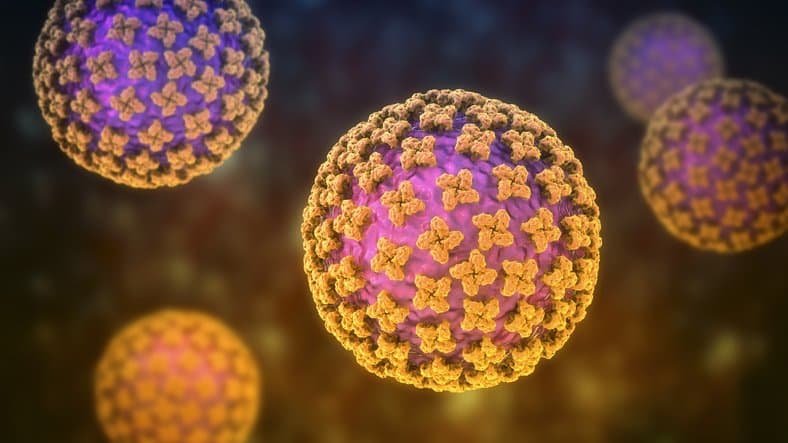
Trader consensus on Polymarket assigns a 94.8% implied probability to no hantavirus pandemic in 2026, driven by the virus's rodent-borne transmission—primarily via inhalation of infected urine, droppings, or saliva—and rare, sporadic global epidemiology, with U.S. Centers for Disease Control and Prevention data showing just 890 cases since 1993 surveillance began, averaging under 30 annually. The World Health Organization's May 4 report of a seven-case cluster (two laboratory-confirmed hantavirus infections, five suspected, three deaths) aboard an Atlantic cruise ship departing Argentina underscores likely wildlife exposure rather than sustained human-to-human spread, which remains limited to close contacts in prior Andes virus outbreaks; WHO assesses global risk as low. Realistic challenges would require a novel strain enabling efficient airborne transmission or unprecedented rodent population surges, with ongoing surveillance updates from WHO and CDC unlikely to alter this trajectory absent such developments.
Resumen experimental generado por IA con datos de Polymarket. Esto no es asesoramiento de trading y no influye en cómo se resuelve este mercado. · Actualizado¿Pandemia de hantavirus en 2026?
¿Pandemia de hantavirus en 2026?
Sí
$44,598 Vol.
$44,598 Vol.
Sí
$44,598 Vol.
$44,598 Vol.
An explicit characterization includes official WHO statements, reports, press briefings, or publications that clearly describe the outbreak as a "pandemic." A Public Health Emergency of International Concern (PHEIC) alone will not qualify unless it is also described as a pandemic.
The primary resolution source for this market will be official WHO communications. A consensus of credible reporting may also be used.
Mercado abierto: May 4, 2026, 10:26 AM ET
Resolver
0x65070BE91...An explicit characterization includes official WHO statements, reports, press briefings, or publications that clearly describe the outbreak as a "pandemic." A Public Health Emergency of International Concern (PHEIC) alone will not qualify unless it is also described as a pandemic.
The primary resolution source for this market will be official WHO communications. A consensus of credible reporting may also be used.
Resolver
0x65070BE91...Trader consensus on Polymarket assigns a 94.8% implied probability to no hantavirus pandemic in 2026, driven by the virus's rodent-borne transmission—primarily via inhalation of infected urine, droppings, or saliva—and rare, sporadic global epidemiology, with U.S. Centers for Disease Control and Prevention data showing just 890 cases since 1993 surveillance began, averaging under 30 annually. The World Health Organization's May 4 report of a seven-case cluster (two laboratory-confirmed hantavirus infections, five suspected, three deaths) aboard an Atlantic cruise ship departing Argentina underscores likely wildlife exposure rather than sustained human-to-human spread, which remains limited to close contacts in prior Andes virus outbreaks; WHO assesses global risk as low. Realistic challenges would require a novel strain enabling efficient airborne transmission or unprecedented rodent population surges, with ongoing surveillance updates from WHO and CDC unlikely to alter this trajectory absent such developments.
Resumen experimental generado por IA con datos de Polymarket. Esto no es asesoramiento de trading y no influye en cómo se resuelve este mercado. · Actualizado
Cuidado con los enlaces externos.
Cuidado con los enlaces externos.
Preguntas frecuentes