
Trader consensus on Polymarket assigns a 57.5% implied probability to 25-49 ships transiting the Strait of Hormuz during the week of April 27, 2026, reflecting sustained low volumes amid the ongoing 2026 U.S.-Iran Hormuz crisis. Lloyd’s List Intelligence data confirms just 35 transits the prior week (April 20-26), down from 78 the week before, driven by U.S. naval blockades intercepting Iran-linked vessels and IRGC restrictions including renewed attacks since April 19. Windward reports further underscore the slowdown, with eight crossings on April 26 and 20 on April 29, dominated by AIS-visible and shadow fleet activity. The 18.5% odds for 50-74 signal cautious rebound potential, but persistent military standoffs—highlighted in recent UN Security Council discussions—keep higher bins below 10%, pricing in blockade endurance over de-escalation.
Experimental AI-generated summary referencing Polymarket data. This is not trading advice and plays no role in how this market resolves. · UpdatedHow many ships transit the Strait of Hormuz week of Apr 27?
How many ships transit the Strait of Hormuz week of Apr 27?
25-49 57%
50-74 19%
<25 9%
75-99 8.0%
$42,775 Vol.
$42,775 Vol.
<25
9%
25-49
57%
50-74
19%
75-99
8%
100-124
1%
125-149
1%
150+
1%
25-49 57%
50-74 19%
<25 9%
75-99 8.0%
$42,775 Vol.
$42,775 Vol.
<25
9%
25-49
57%
50-74
19%
75-99
8%
100-124
1%
125-149
1%
150+
1%
Transit calls include container, dry bulk, roll-on/roll-off, general cargo, and tanker ships. Ships not reported by IMF Portwatch will not be considered.
This market will resolve as soon as data has been published for the final date in the specified period. If no data has been published for the final date of the specified period within 14 calendar days (ET) after the end of that period, this market will resolve based on data published up to that point.
Revisions to previously published data points made within this market’s timeframe will be considered. Revisions to previously published data points after data is published for the final date of the specified period, however, will not be considered.
The resolution source for this market will be IMF Portwatch, specifically the transit calls data published for the Strait of Hormuz at https://portwatch.imf.org/pages/cb5856222a5b4105adc6ee7e880a1730, both in the chart and through downloadable files.
Market Opened: Apr 27, 2026, 5:49 PM ET
Resolver
0x69c47De9D...Transit calls include container, dry bulk, roll-on/roll-off, general cargo, and tanker ships. Ships not reported by IMF Portwatch will not be considered.
This market will resolve as soon as data has been published for the final date in the specified period. If no data has been published for the final date of the specified period within 14 calendar days (ET) after the end of that period, this market will resolve based on data published up to that point.
Revisions to previously published data points made within this market’s timeframe will be considered. Revisions to previously published data points after data is published for the final date of the specified period, however, will not be considered.
The resolution source for this market will be IMF Portwatch, specifically the transit calls data published for the Strait of Hormuz at https://portwatch.imf.org/pages/cb5856222a5b4105adc6ee7e880a1730, both in the chart and through downloadable files.
Resolver
0x69c47De9D...Trader consensus on Polymarket assigns a 57.5% implied probability to 25-49 ships transiting the Strait of Hormuz during the week of April 27, 2026, reflecting sustained low volumes amid the ongoing 2026 U.S.-Iran Hormuz crisis. Lloyd’s List Intelligence data confirms just 35 transits the prior week (April 20-26), down from 78 the week before, driven by U.S. naval blockades intercepting Iran-linked vessels and IRGC restrictions including renewed attacks since April 19. Windward reports further underscore the slowdown, with eight crossings on April 26 and 20 on April 29, dominated by AIS-visible and shadow fleet activity. The 18.5% odds for 50-74 signal cautious rebound potential, but persistent military standoffs—highlighted in recent UN Security Council discussions—keep higher bins below 10%, pricing in blockade endurance over de-escalation.
Experimental AI-generated summary referencing Polymarket data. This is not trading advice and plays no role in how this market resolves. · Updated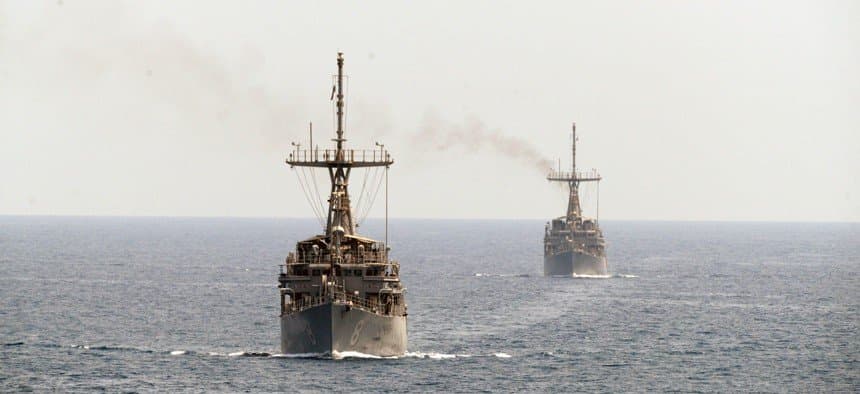

Beware of external links.
Beware of external links.
Frequently Asked Questions