
Iran maintains de facto control over the Strait of Hormuz through a new Persian Gulf Strait Authority that vets vessels, imposes transit fees or tolls, and enforces tiered clearance favoring allies such as China and Russia. Recent enforcement includes island checkpoints, government-to-government arrangements, and exclusion of U.S. and Israeli-linked traffic, with only limited commercial transits permitted under Iranian procedures as of late May. Ongoing U.S.-Iran negotiations have produced conditional pauses and partial reopenings tied to ceasefires, yet Tehran continues to require prior approval and reject unrestricted navigation. These developments sustain trader expectations that Iran will not commit to fully open passage without conditions by June 30.
Experimental AI-generated summary referencing Polymarket data. This is not trading advice and plays no role in how this market resolves. · UpdatedIran agrees to unrestricted shipping through Hormuz by June 30?
Iran agrees to unrestricted shipping through Hormuz by June 30?
$47,009 Vol.
$47,009 Vol.
$47,009 Vol.
$47,009 Vol.
Iran allowing unrestricted commercial navigation of the Strait of Hormuz refers to a public agreement by Iran that commercial vessels may transit the Strait of Hormuz without Iranian authorization/permission, payment of fees to Iran, or other Iran-imposed restrictions. A public agreement that all restrictions imposed on commercial vessels transiting the Strait of Hormuz by Iran as part of the US-Iran conflict which began on February 28, 2026, will be definitively lifted, without replacement by new restrictions, will qualify.
A qualifying agreement must clearly indicate that Iran will not impose restrictions on commercial transit through the Strait of Hormuz. General statements about the strait being “open”, de-escalation, security, increased transit in the Strait, or stability in the region, which do not clearly indicate that Iran will allow unrestricted commercial transit through the Strait of Hormuz, will not qualify.
An official pledge by Iran to allow unrestricted commercial navigation of the Strait of Hormuz will qualify for a “Yes” resolution whether as a unilateral announcement or part of an agreement with the U.S. or Israel.
Any agreement or pledge made before the resolution date of this market will qualify, regardless of if/when the agreement goes into effect.
An agreement by Iran to allow unrestricted commercial navigation of the Strait of Hormuz as a precondition of a more comprehensive peace process or deal will qualify, even if the agreement is not finalized or part of a formalized peace deal.
The primary resolution sources for this market will be official information from the government of Iran and a consensus of credible reporting.
Market Opened: May 27, 2026, 12:43 PM ET
Resolver
0x65070BE91...Iran allowing unrestricted commercial navigation of the Strait of Hormuz refers to a public agreement by Iran that commercial vessels may transit the Strait of Hormuz without Iranian authorization/permission, payment of fees to Iran, or other Iran-imposed restrictions. A public agreement that all restrictions imposed on commercial vessels transiting the Strait of Hormuz by Iran as part of the US-Iran conflict which began on February 28, 2026, will be definitively lifted, without replacement by new restrictions, will qualify.
A qualifying agreement must clearly indicate that Iran will not impose restrictions on commercial transit through the Strait of Hormuz. General statements about the strait being “open”, de-escalation, security, increased transit in the Strait, or stability in the region, which do not clearly indicate that Iran will allow unrestricted commercial transit through the Strait of Hormuz, will not qualify.
An official pledge by Iran to allow unrestricted commercial navigation of the Strait of Hormuz will qualify for a “Yes” resolution whether as a unilateral announcement or part of an agreement with the U.S. or Israel.
Any agreement or pledge made before the resolution date of this market will qualify, regardless of if/when the agreement goes into effect.
An agreement by Iran to allow unrestricted commercial navigation of the Strait of Hormuz as a precondition of a more comprehensive peace process or deal will qualify, even if the agreement is not finalized or part of a formalized peace deal.
The primary resolution sources for this market will be official information from the government of Iran and a consensus of credible reporting.
Resolver
0x65070BE91...Iran maintains de facto control over the Strait of Hormuz through a new Persian Gulf Strait Authority that vets vessels, imposes transit fees or tolls, and enforces tiered clearance favoring allies such as China and Russia. Recent enforcement includes island checkpoints, government-to-government arrangements, and exclusion of U.S. and Israeli-linked traffic, with only limited commercial transits permitted under Iranian procedures as of late May. Ongoing U.S.-Iran negotiations have produced conditional pauses and partial reopenings tied to ceasefires, yet Tehran continues to require prior approval and reject unrestricted navigation. These developments sustain trader expectations that Iran will not commit to fully open passage without conditions by June 30.
Experimental AI-generated summary referencing Polymarket data. This is not trading advice and plays no role in how this market resolves. · Updated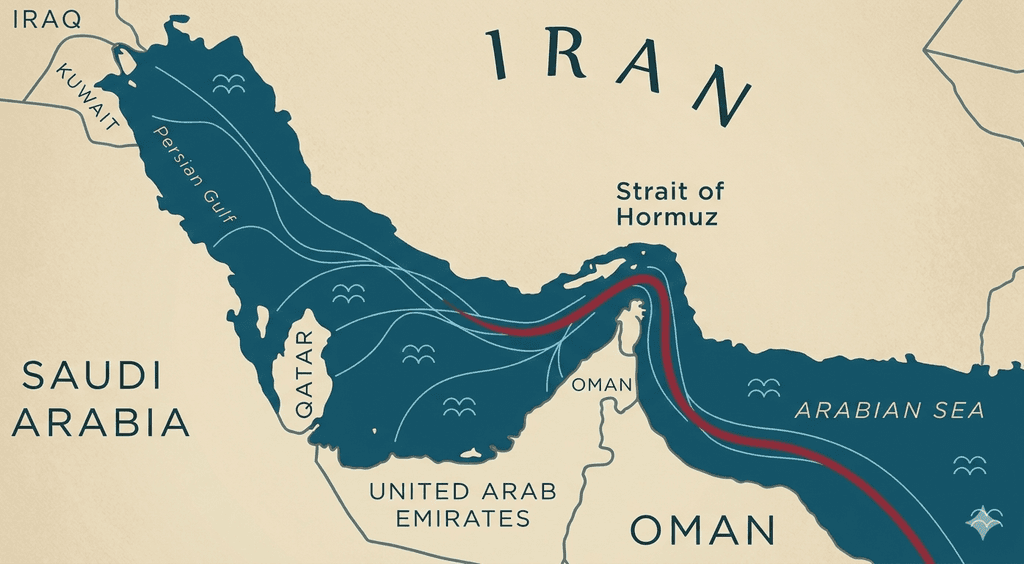

Beware of external links.
Beware of external links.
Frequently Asked Questions