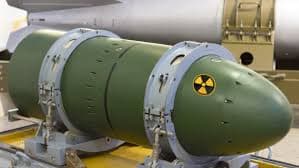
**US allies continue to reaffirm non-nuclear commitments amid ongoing regional security debates.** South Korea’s President Lee Jae-myung has explicitly dismissed independent nuclear armament as unrealistic given international constraints, while Japan’s government has repeatedly upheld its three non-nuclear principles and rebuked suggestions of weapons development. These positions align with sustained US extended deterrence efforts, including trilateral planning with Seoul and Tokyo, nuclear-powered submarine cooperation, and NATO-style reassurance measures that reduce incentives for breakout. Although public support for nuclear options remains elevated in South Korea and some hedging discussions persist in both capitals tied to North Korean and Chinese capabilities, no official programs, fissile material decisions, or withdrawal from the NPT have materialized. The roughly six-month window to 2027, combined with alliance pressures and procedural barriers, underpins trader consensus that a new nuclear-armed US ally is improbable before the deadline.
Experimental AI-generated summary referencing Polymarket data. This is not trading advice and plays no role in how this market resolves. · Updated$51,592 Vol.
$51,592 Vol.
$51,592 Vol.
$51,592 Vol.
If a US ally participates in a nuclear sharing agreement that does not include independent control over nuclear weapons, this will not qualify for "Yes" resolution. Only full control over an operational nuclear weapon will count. Any admission from Israel of the possession of a nuclear weapon will not qualify for a "Yes" resolution.
For the purposes of this market, a "US ally" is defined as a country that is a member of NATO or a Major Non-NATO Ally (https://www.state.gov/major-non-nato-ally-status/) as of November 12, 2025. Otherwise, this market will resolve to "No".
Market Opened: Nov 13, 2025, 5:54 PM ET
Resolver
0x65070BE91...If a US ally participates in a nuclear sharing agreement that does not include independent control over nuclear weapons, this will not qualify for "Yes" resolution. Only full control over an operational nuclear weapon will count. Any admission from Israel of the possession of a nuclear weapon will not qualify for a "Yes" resolution.
For the purposes of this market, a "US ally" is defined as a country that is a member of NATO or a Major Non-NATO Ally (https://www.state.gov/major-non-nato-ally-status/) as of November 12, 2025. Otherwise, this market will resolve to "No".
Resolver
0x65070BE91...**US allies continue to reaffirm non-nuclear commitments amid ongoing regional security debates.** South Korea’s President Lee Jae-myung has explicitly dismissed independent nuclear armament as unrealistic given international constraints, while Japan’s government has repeatedly upheld its three non-nuclear principles and rebuked suggestions of weapons development. These positions align with sustained US extended deterrence efforts, including trilateral planning with Seoul and Tokyo, nuclear-powered submarine cooperation, and NATO-style reassurance measures that reduce incentives for breakout. Although public support for nuclear options remains elevated in South Korea and some hedging discussions persist in both capitals tied to North Korean and Chinese capabilities, no official programs, fissile material decisions, or withdrawal from the NPT have materialized. The roughly six-month window to 2027, combined with alliance pressures and procedural barriers, underpins trader consensus that a new nuclear-armed US ally is improbable before the deadline.
Experimental AI-generated summary referencing Polymarket data. This is not trading advice and plays no role in how this market resolves. · Updated


Beware of external links.
Beware of external links.
Frequently Asked Questions