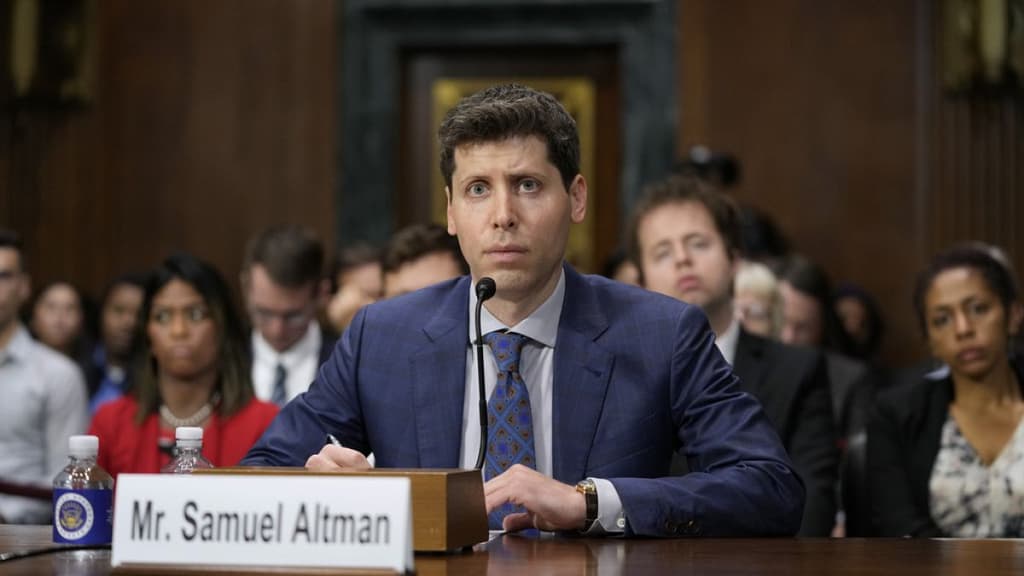
Trader consensus implying a 73.5% probability against the U.S. enacting an AI safety bill before 2027 stems from stalled federal progress amid the Trump administration's pro-innovation stance, highlighted by its March 2026 National AI Legislative Framework emphasizing light-touch regulation and state law preemption over comprehensive safety measures. Recent bipartisan Senate introductions, including April 30 bills on children's AI chatbot safety requiring parental consent and monitoring, plus measures cracking down on deepfakes and protecting whistleblowers, focus on narrow risks rather than broad AI governance. With no major bill advancing past early committee stages in the 119th Congress and a tight legislative calendar, historical hurdles to tech regulation reinforce skepticism for passage by year-end.
Experimental AI-generated summary referencing Polymarket data. This is not trading advice and plays no role in how this market resolves. · Updated$97,705 Vol.
$97,705 Vol.
$97,705 Vol.
$97,705 Vol.
- Prohibition on Creation or Release: Forbids the creation or release of specific AI systems or models.
- Training Restrictions: Sets limits on how AI systems can be trained, such as restricting access to previously available training data or imposing a maximum limit on the number of parameters used for training.
- Usage Restrictions: Prevents AI systems from being used in certain applications, such as interacting with customers, interfacing with other applications, or performing actions on the web.
- Human-in-the-Loop Requirements: Requires AI systems to include mechanisms ensuring human oversight or involvement in their operation.
Otherwise this market will resolve to "No".
The resolution source will be official U.S. federal government (e.g., Congress.gov) however a consensus of credible reporting may also be used.
Market Opened: Nov 12, 2025, 5:08 PM ET
Resolver
0x65070BE91...- Prohibition on Creation or Release: Forbids the creation or release of specific AI systems or models.
- Training Restrictions: Sets limits on how AI systems can be trained, such as restricting access to previously available training data or imposing a maximum limit on the number of parameters used for training.
- Usage Restrictions: Prevents AI systems from being used in certain applications, such as interacting with customers, interfacing with other applications, or performing actions on the web.
- Human-in-the-Loop Requirements: Requires AI systems to include mechanisms ensuring human oversight or involvement in their operation.
Otherwise this market will resolve to "No".
The resolution source will be official U.S. federal government (e.g., Congress.gov) however a consensus of credible reporting may also be used.
Resolver
0x65070BE91...Trader consensus implying a 73.5% probability against the U.S. enacting an AI safety bill before 2027 stems from stalled federal progress amid the Trump administration's pro-innovation stance, highlighted by its March 2026 National AI Legislative Framework emphasizing light-touch regulation and state law preemption over comprehensive safety measures. Recent bipartisan Senate introductions, including April 30 bills on children's AI chatbot safety requiring parental consent and monitoring, plus measures cracking down on deepfakes and protecting whistleblowers, focus on narrow risks rather than broad AI governance. With no major bill advancing past early committee stages in the 119th Congress and a tight legislative calendar, historical hurdles to tech regulation reinforce skepticism for passage by year-end.
Experimental AI-generated summary referencing Polymarket data. This is not trading advice and plays no role in how this market resolves. · Updated


Beware of external links.
Beware of external links.
Frequently Asked Questions