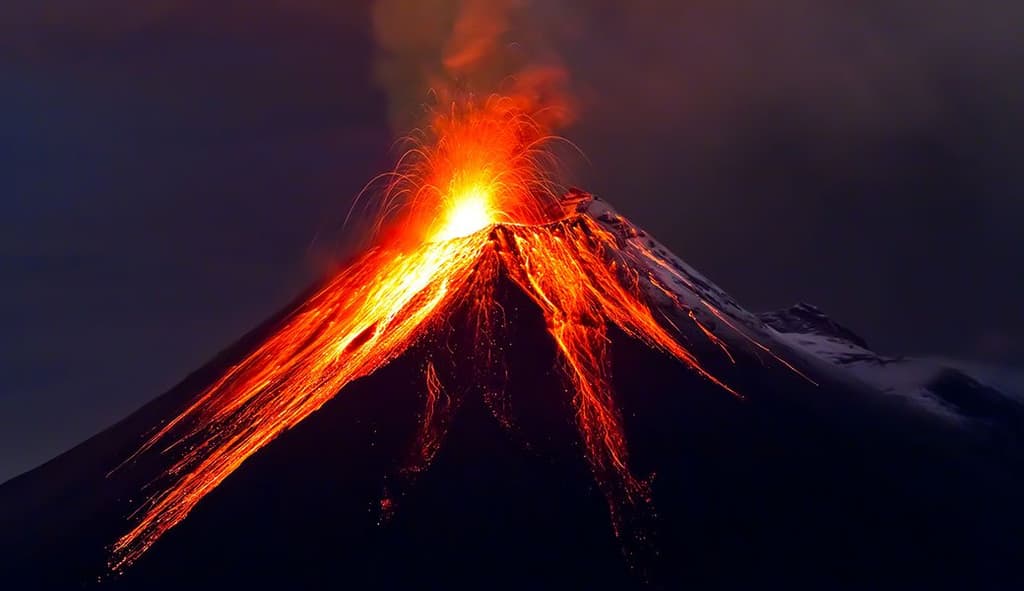
Strong trader consensus on “No” at 90.5% reflects the inherent rarity of VEI ≥6 eruptions—globally averaging once every few decades, with the last confirmed example (Pinatubo) in 1991—and the absence of precursors through mid-2026. Smithsonian Global Volcanism Program records show 47 eruptions this year, including ongoing effusive activity at Kīlauea and Great Sitkin plus smaller explosive events such as Dukono, yet none approach the required plume heights above 10 km or ejecta volumes for VEI 6. USGS and monitoring data indicate only modest unrest without rapid inflation, deep seismicity, or magmatic recharge at major systems. A credible challenge would require sudden escalation at an under-monitored caldera or unexpected new unrest at a high-volume stratovolcano before year-end.
Experimental AI-generated summary referencing Polymarket data. This is not trading advice and plays no role in how this market resolves. · UpdatedMajor volcano eruption (VEI ≥6) in 2026?
Major volcano eruption (VEI ≥6) in 2026?
$96,077 Vol.
$96,077 Vol.
$96,077 Vol.
$96,077 Vol.
The primary resolution source will be the Smithsonian Institution Global Volcanism Program (GVP: https://volcano.si.edu/), specifically the ‘VEI 6’ figure for 2026 released on the page currently titled "Eruptions Avg 2000-2024 (N/T)" (https://volcano.si.edu/faq/index.cfm?question=eruptionsbyyear) as of March 31, 2027, 12 PM ET. Any prior updates will not be considered finalized.
If this dataset has not been updated to include all relevant events by March 31, 2027, or if the Smithsonian GVP becomes permanently unavailable, this market may resolve based on a consensus of credible scientific sources, including the U.S. Geological Survey (USGS), national or regional volcanic observatories, or credible reporting of a scientific consensus.
Note: Smithsonian Institution Global Volcanism Program databases, which include eruptions that reached the relevant threshold prior to this market’s timeframe (e.g., https://volcano.si.edu/faq/index.cfm?question=eruptionsbyyear&checkyear=2025), will not be considered.
Market Opened: Dec 29, 2025, 6:24 PM ET
Resolver
0x65070BE91...The primary resolution source will be the Smithsonian Institution Global Volcanism Program (GVP: https://volcano.si.edu/), specifically the ‘VEI 6’ figure for 2026 released on the page currently titled "Eruptions Avg 2000-2024 (N/T)" (https://volcano.si.edu/faq/index.cfm?question=eruptionsbyyear) as of March 31, 2027, 12 PM ET. Any prior updates will not be considered finalized.
If this dataset has not been updated to include all relevant events by March 31, 2027, or if the Smithsonian GVP becomes permanently unavailable, this market may resolve based on a consensus of credible scientific sources, including the U.S. Geological Survey (USGS), national or regional volcanic observatories, or credible reporting of a scientific consensus.
Note: Smithsonian Institution Global Volcanism Program databases, which include eruptions that reached the relevant threshold prior to this market’s timeframe (e.g., https://volcano.si.edu/faq/index.cfm?question=eruptionsbyyear&checkyear=2025), will not be considered.
Resolver
0x65070BE91...Strong trader consensus on “No” at 90.5% reflects the inherent rarity of VEI ≥6 eruptions—globally averaging once every few decades, with the last confirmed example (Pinatubo) in 1991—and the absence of precursors through mid-2026. Smithsonian Global Volcanism Program records show 47 eruptions this year, including ongoing effusive activity at Kīlauea and Great Sitkin plus smaller explosive events such as Dukono, yet none approach the required plume heights above 10 km or ejecta volumes for VEI 6. USGS and monitoring data indicate only modest unrest without rapid inflation, deep seismicity, or magmatic recharge at major systems. A credible challenge would require sudden escalation at an under-monitored caldera or unexpected new unrest at a high-volume stratovolcano before year-end.
Experimental AI-generated summary referencing Polymarket data. This is not trading advice and plays no role in how this market resolves. · Updated

Beware of external links.
Beware of external links.
Frequently Asked Questions