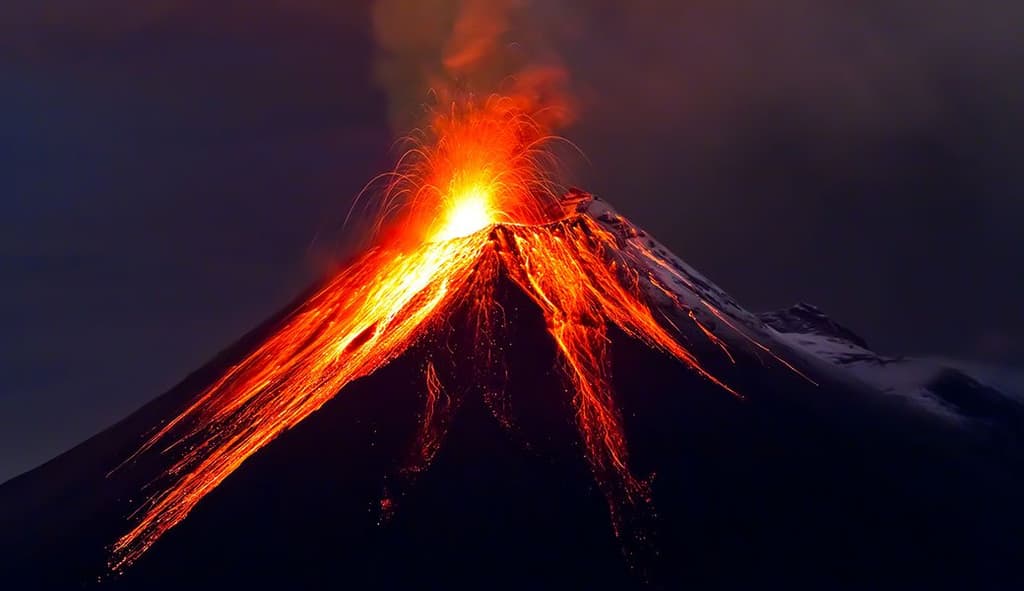
Trader consensus heavily favors zero VEI ≥4 eruptions in 2026 (66.5% implied probability) due to their historical rarity—typically occurring once every few years globally—and the absence of confirmed events through mid-June despite 47 total eruptions tracked by the Smithsonian Global Volcanism Program. Ongoing activity remains largely effusive or low-VEI explosive, such as lava flows at Kīlauea and Great Sitkin or Vulcanian bursts at Dukono and Fuego, without the sustained high plume heights (>10 km) or ejecta volumes required for VEI 4 on the explosivity index. Modest unrest at monitored systems and no rapid magmatic recharge signals reduce near-term escalation risk, though under-monitored calderas could still produce a late-year surprise. Updated GVP tallies through year-end will determine final resolution.
Experimental AI-generated summary referencing Polymarket data. This is not trading advice and plays no role in how this market resolves. · UpdatedHow many large volcano eruptions (VEI ≥4) in 2026?
How many large volcano eruptions (VEI ≥4) in 2026?
0 67%
1 20%
2 4.6%
3 1.2%
$1,145,718 Vol.
$1,145,718 Vol.
0
67%
1
20%
2
5%
3
1%
4
1%
5+
1%
0 67%
1 20%
2 4.6%
3 1.2%
$1,145,718 Vol.
$1,145,718 Vol.
0
67%
1
20%
2
5%
3
1%
4
1%
5+
1%
The primary resolution source will be the Smithsonian Institution Global Volcanism Program (GVP: https://volcano.si.edu/), specifically the cumulative figures for 2026 for VEI 4, VEI 5, and VEI 6 released on the page currently titled "Eruptions Avg 2000-2024 (N/T)" (https://volcano.si.edu/faq/index.cfm?question=eruptionsbyyear) as of March 31, 2027, 12 PM ET. Any prior updates will not be considered finalized.
If this dataset has not been updated to include all relevant events by March 31, 2027, or if the Smithsonian GVP becomes permanently unavailable, this market may resolve based on a consensus of credible scientific sources, including the U.S. Geological Survey (USGS), national or regional volcanic observatories, or credible reporting of a scientific consensus.
Note: Smithsonian Institution Global Volcanism Program databases, which include eruptions that reached the relevant threshold prior to this market’s timeframe (e.g., https://volcano.si.edu/faq/index.cfm?question=eruptionsbyyear&checkyear=2025), will not be considered.
Market Opened: Jan 2, 2026, 1:48 PM ET
Resolver
0x2F5e3684c...The primary resolution source will be the Smithsonian Institution Global Volcanism Program (GVP: https://volcano.si.edu/), specifically the cumulative figures for 2026 for VEI 4, VEI 5, and VEI 6 released on the page currently titled "Eruptions Avg 2000-2024 (N/T)" (https://volcano.si.edu/faq/index.cfm?question=eruptionsbyyear) as of March 31, 2027, 12 PM ET. Any prior updates will not be considered finalized.
If this dataset has not been updated to include all relevant events by March 31, 2027, or if the Smithsonian GVP becomes permanently unavailable, this market may resolve based on a consensus of credible scientific sources, including the U.S. Geological Survey (USGS), national or regional volcanic observatories, or credible reporting of a scientific consensus.
Note: Smithsonian Institution Global Volcanism Program databases, which include eruptions that reached the relevant threshold prior to this market’s timeframe (e.g., https://volcano.si.edu/faq/index.cfm?question=eruptionsbyyear&checkyear=2025), will not be considered.
Resolver
0x2F5e3684c...Trader consensus heavily favors zero VEI ≥4 eruptions in 2026 (66.5% implied probability) due to their historical rarity—typically occurring once every few years globally—and the absence of confirmed events through mid-June despite 47 total eruptions tracked by the Smithsonian Global Volcanism Program. Ongoing activity remains largely effusive or low-VEI explosive, such as lava flows at Kīlauea and Great Sitkin or Vulcanian bursts at Dukono and Fuego, without the sustained high plume heights (>10 km) or ejecta volumes required for VEI 4 on the explosivity index. Modest unrest at monitored systems and no rapid magmatic recharge signals reduce near-term escalation risk, though under-monitored calderas could still produce a late-year surprise. Updated GVP tallies through year-end will determine final resolution.
Experimental AI-generated summary referencing Polymarket data. This is not trading advice and plays no role in how this market resolves. · Updated

Beware of external links.
Beware of external links.
Frequently Asked Questions