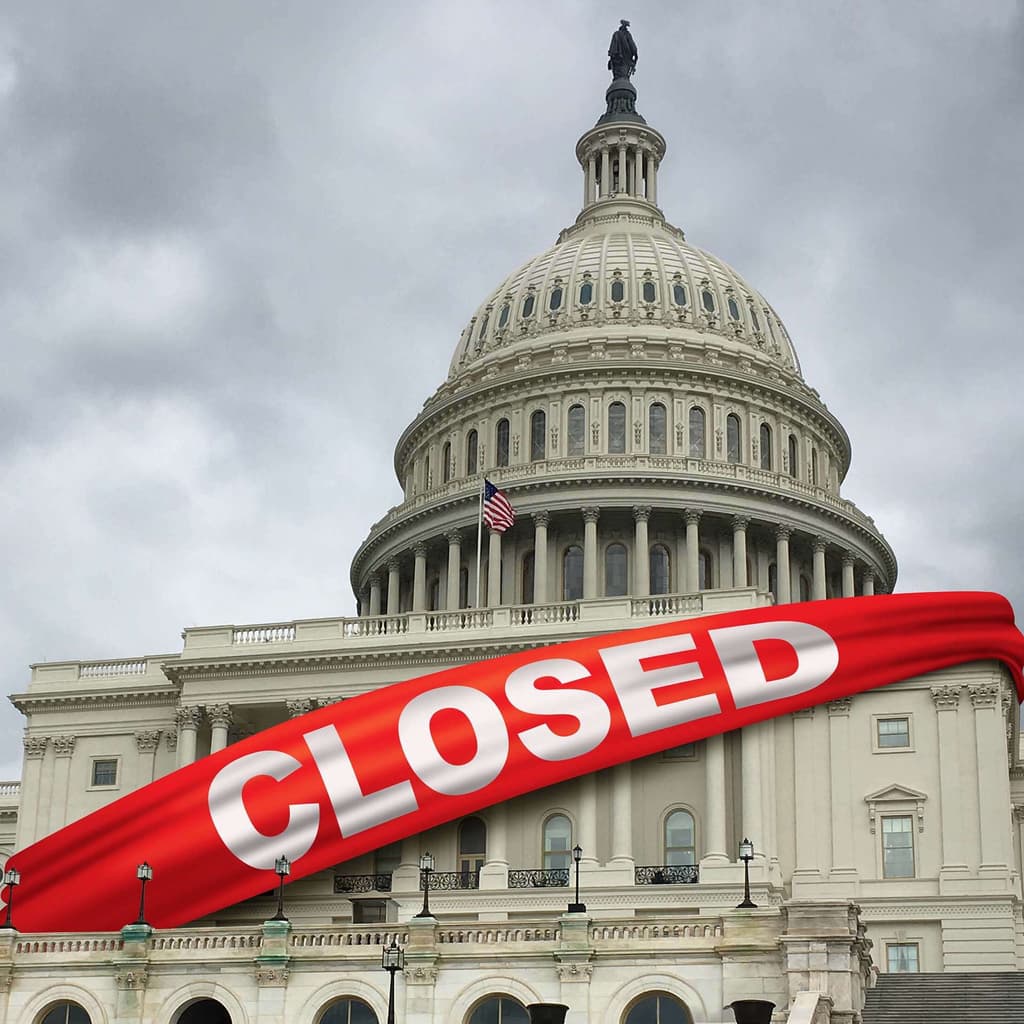
icon for ¿Cierre del gobierno antes del 1 de octubre?

¿Cierre del gobierno antes del 1 de octubre?

icon for ¿Cierre del gobierno antes del 1 de octubre?

¿Cierre del gobierno antes del 1 de octubre?

61% probabilidad
Polymarket
NUEVO

61% probabilidad
Polymarket
NUEVO
This market will resolve to "Yes" if the United States federal government enters a shutdown due to a lapse in appropriations by the specified date, 11:59 PM ET. Otherwise, this market will resolve to "No". A U.S. federal government shutdown is considered to have gone into effect when there is a lapse in appropriations that results in federal government agencies suspending non-excepted operations, typically including the furlough of non-excepted federal employees. A lapse in appropriations occurs when Congress fails to enact, or the President fails to sign into law, legislation providing funding authority for federal government operations by an applicable deadline, resulting in a funding lapse. A lapse in appropriations where no federal agencies cease or suspend non-excepted operations will not qualify as a shutdown. Partial shutdowns qualify. A shutdown affecting one or more, but not all, federal agencies constitutes a shutdown. The following will qualify as a shutdown: - An official directive from the Office of Management and Budget (OMB) ordering heads of affected agencies to execute shutdown plans (e.g., an instruction to "execute plans for an orderly shutdown") that is in effect by the specified date and time - An official operating status published by the U.S. Office of Personnel Management (OPM) indicating that, due to a lapse in appropriations, federal government operations are suspended, reduced, or vary by agency (e.g., a notice that "due to a partial lapse in appropriations, Federal Government operations vary by agency") The following will not qualify as a shutdown: - A technical lapse in appropriations where OMB or other authorized authority directs agencies to continue normal or substantially normal operations - Government closures or operating status changes resulting solely from Federal holidays, inclement weather, natural disasters, or other emergencies, unless such closures coincide with a qualifying shutdown caused by a lapse in appropriations The primary resolution source for this market will be official information from the United States government, including the U.S. Office of Personnel Management (OPM); however, a consensus of credible reporting may also be used.**Congress has initiated the FY2027 appropriations process in both chambers, with House and Senate action underway as of early May 2026, but early negotiations show familiar partisan divides over spending priorities, defense levels, and immigration enforcement funding.** These tensions mirror the disputes that triggered multiple partial shutdowns and continuing resolutions during the FY2026 cycle, including extended lapses tied to DHS and ICE allocations. With the October 1 deadline several months away, lawmakers retain time to negotiate a stopgap measure or full-year bills, consistent with historical patterns where Congress frequently enacts continuing resolutions to prevent immediate funding lapses. Trader consensus on a "No" outcome at 55.5% reflects this procedural buffer and the recurring preference for temporary extensions over outright shutdowns at the fiscal year start, even amid ongoing budget stalemate risks. Key upcoming catalysts include further committee markups and any administration budget signals that could accelerate or complicate talks.

This market will resolve to "Yes" if the United States federal government enters a shutdown due to a lapse in appropriations by the specified date, 11:59 PM ET. Otherwise, this market will resolve to "No".

A U.S. federal government shutdown is considered to have gone into effect when there is a lapse in appropriations that results in federal government agencies suspending non-excepted operations, typically including the furlough of non-excepted federal employees.

A lapse in appropriations occurs when Congress fails to enact, or the President fails to sign into law, legislation providing funding authority for federal government operations by an applicable deadline, resulting in a funding lapse. A lapse in appropriations where no federal agencies cease or suspend non-excepted operations will not qualify as a shutdown.

Partial shutdowns qualify. A shutdown affecting one or more, but not all, federal agencies constitutes a shutdown.

The following will qualify as a shutdown:

- An official directive from the Office of Management and Budget (OMB) ordering heads of affected agencies to execute shutdown plans (e.g., an instruction to "execute plans for an orderly shutdown") that is in effect by the specified date and time
- An official operating status published by the U.S. Office of Personnel Management (OPM) indicating that, due to a lapse in appropriations, federal government operations are suspended, reduced, or vary by agency (e.g., a notice that "due to a partial lapse in appropriations, Federal Government operations vary by agency")

The following will not qualify as a shutdown:

- A technical lapse in appropriations where OMB or other authorized authority directs agencies to continue normal or substantially normal operations
- Government closures or operating status changes resulting solely from Federal holidays, inclement weather, natural disasters, or other emergencies, unless such closures coincide with a qualifying shutdown caused by a lapse in appropriations

The primary resolution source for this market will be official information from the United States government, including the U.S. Office of Personnel Management (OPM); however, a consensus of credible reporting may also be used.
Volumen
$39
Fecha de finalización
2 oct 2026
Mercado abierto
Jun 10, 2026, 12:27 PM ET
This market will resolve to "Yes" if the United States federal government enters a shutdown due to a lapse in appropriations by the specified date, 11:59 PM ET. Otherwise, this market will resolve to "No". A U.S. federal government shutdown is considered to have gone into effect when there is a lapse in appropriations that results in federal government agencies suspending non-excepted operations, typically including the furlough of non-excepted federal employees. A lapse in appropriations occurs when Congress fails to enact, or the President fails to sign into law, legislation providing funding authority for federal government operations by an applicable deadline, resulting in a funding lapse. A lapse in appropriations where no federal agencies cease or suspend non-excepted operations will not qualify as a shutdown. Partial shutdowns qualify. A shutdown affecting one or more, but not all, federal agencies constitutes a shutdown. The following will qualify as a shutdown: - An official directive from the Office of Management and Budget (OMB) ordering heads of affected agencies to execute shutdown plans (e.g., an instruction to "execute plans for an orderly shutdown") that is in effect by the specified date and time - An official operating status published by the U.S. Office of Personnel Management (OPM) indicating that, due to a lapse in appropriations, federal government operations are suspended, reduced, or vary by agency (e.g., a notice that "due to a partial lapse in appropriations, Federal Government operations vary by agency") The following will not qualify as a shutdown: - A technical lapse in appropriations where OMB or other authorized authority directs agencies to continue normal or substantially normal operations - Government closures or operating status changes resulting solely from Federal holidays, inclement weather, natural disasters, or other emergencies, unless such closures coincide with a qualifying shutdown caused by a lapse in appropriations The primary resolution source for this market will be official information from the United States government, including the U.S. Office of Personnel Management (OPM); however, a consensus of credible reporting may also be used.
This market will resolve to "Yes" if the United States federal government enters a shutdown due to a lapse in appropriations by the specified date, 11:59 PM ET. Otherwise, this market will resolve to "No". A U.S. federal government shutdown is considered to have gone into effect when there is a lapse in appropriations that results in federal government agencies suspending non-excepted operations, typically including the furlough of non-excepted federal employees. A lapse in appropriations occurs when Congress fails to enact, or the President fails to sign into law, legislation providing funding authority for federal government operations by an applicable deadline, resulting in a funding lapse. A lapse in appropriations where no federal agencies cease or suspend non-excepted operations will not qualify as a shutdown. Partial shutdowns qualify. A shutdown affecting one or more, but not all, federal agencies constitutes a shutdown. The following will qualify as a shutdown: - An official directive from the Office of Management and Budget (OMB) ordering heads of affected agencies to execute shutdown plans (e.g., an instruction to "execute plans for an orderly shutdown") that is in effect by the specified date and time - An official operating status published by the U.S. Office of Personnel Management (OPM) indicating that, due to a lapse in appropriations, federal government operations are suspended, reduced, or vary by agency (e.g., a notice that "due to a partial lapse in appropriations, Federal Government operations vary by agency") The following will not qualify as a shutdown: - A technical lapse in appropriations where OMB or other authorized authority directs agencies to continue normal or substantially normal operations - Government closures or operating status changes resulting solely from Federal holidays, inclement weather, natural disasters, or other emergencies, unless such closures coincide with a qualifying shutdown caused by a lapse in appropriations The primary resolution source for this market will be official information from the United States government, including the U.S. Office of Personnel Management (OPM); however, a consensus of credible reporting may also be used.**Congress has initiated the FY2027 appropriations process in both chambers, with House and Senate action underway as of early May 2026, but early negotiations show familiar partisan divides over spending priorities, defense levels, and immigration enforcement funding.** These tensions mirror the disputes that triggered multiple partial shutdowns and continuing resolutions during the FY2026 cycle, including extended lapses tied to DHS and ICE allocations. With the October 1 deadline several months away, lawmakers retain time to negotiate a stopgap measure or full-year bills, consistent with historical patterns where Congress frequently enacts continuing resolutions to prevent immediate funding lapses. Trader consensus on a "No" outcome at 55.5% reflects this procedural buffer and the recurring preference for temporary extensions over outright shutdowns at the fiscal year start, even amid ongoing budget stalemate risks. Key upcoming catalysts include further committee markups and any administration budget signals that could accelerate or complicate talks.

This market will resolve to "Yes" if the United States federal government enters a shutdown due to a lapse in appropriations by the specified date, 11:59 PM ET. Otherwise, this market will resolve to "No".

A U.S. federal government shutdown is considered to have gone into effect when there is a lapse in appropriations that results in federal government agencies suspending non-excepted operations, typically including the furlough of non-excepted federal employees.

A lapse in appropriations occurs when Congress fails to enact, or the President fails to sign into law, legislation providing funding authority for federal government operations by an applicable deadline, resulting in a funding lapse. A lapse in appropriations where no federal agencies cease or suspend non-excepted operations will not qualify as a shutdown.

Partial shutdowns qualify. A shutdown affecting one or more, but not all, federal agencies constitutes a shutdown.

The following will qualify as a shutdown:

- An official directive from the Office of Management and Budget (OMB) ordering heads of affected agencies to execute shutdown plans (e.g., an instruction to "execute plans for an orderly shutdown") that is in effect by the specified date and time
- An official operating status published by the U.S. Office of Personnel Management (OPM) indicating that, due to a lapse in appropriations, federal government operations are suspended, reduced, or vary by agency (e.g., a notice that "due to a partial lapse in appropriations, Federal Government operations vary by agency")

The following will not qualify as a shutdown:

- A technical lapse in appropriations where OMB or other authorized authority directs agencies to continue normal or substantially normal operations
- Government closures or operating status changes resulting solely from Federal holidays, inclement weather, natural disasters, or other emergencies, unless such closures coincide with a qualifying shutdown caused by a lapse in appropriations

The primary resolution source for this market will be official information from the United States government, including the U.S. Office of Personnel Management (OPM); however, a consensus of credible reporting may also be used.
Volumen
$39
Fecha de finalización
2 oct 2026
Mercado abierto
Jun 10, 2026, 12:27 PM ET
This market will resolve to "Yes" if the United States federal government enters a shutdown due to a lapse in appropriations by the specified date, 11:59 PM ET. Otherwise, this market will resolve to "No". A U.S. federal government shutdown is considered to have gone into effect when there is a lapse in appropriations that results in federal government agencies suspending non-excepted operations, typically including the furlough of non-excepted federal employees. A lapse in appropriations occurs when Congress fails to enact, or the President fails to sign into law, legislation providing funding authority for federal government operations by an applicable deadline, resulting in a funding lapse. A lapse in appropriations where no federal agencies cease or suspend non-excepted operations will not qualify as a shutdown. Partial shutdowns qualify. A shutdown affecting one or more, but not all, federal agencies constitutes a shutdown. The following will qualify as a shutdown: - An official directive from the Office of Management and Budget (OMB) ordering heads of affected agencies to execute shutdown plans (e.g., an instruction to "execute plans for an orderly shutdown") that is in effect by the specified date and time - An official operating status published by the U.S. Office of Personnel Management (OPM) indicating that, due to a lapse in appropriations, federal government operations are suspended, reduced, or vary by agency (e.g., a notice that "due to a partial lapse in appropriations, Federal Government operations vary by agency") The following will not qualify as a shutdown: - A technical lapse in appropriations where OMB or other authorized authority directs agencies to continue normal or substantially normal operations - Government closures or operating status changes resulting solely from Federal holidays, inclement weather, natural disasters, or other emergencies, unless such closures coincide with a qualifying shutdown caused by a lapse in appropriations The primary resolution source for this market will be official information from the United States government, including the U.S. Office of Personnel Management (OPM); however, a consensus of credible reporting may also be used.

Cuidado con los enlaces externos.

Preguntas frecuentes

"¿Cierre del gobierno antes del 1 de octubre?" es un mercado de predicción en Polymarket con 2 resultados posibles donde los operadores compran y venden acciones según lo que creen que sucederá. El resultado líder actual es "¿Cierre del gobierno antes del 1 de octubre?" con 45%. Los precios reflejan probabilidades en tiempo real de la comunidad. Por ejemplo, una acción cotizada a 45¢ implica que el mercado colectivamente asigna una probabilidad de 45% a ese resultado. Estas probabilidades cambian continuamente a medida que los operadores reaccionan a nuevos desarrollos. Las acciones del resultado correcto son canjeables por $1 cada una tras la resolución del mercado.

"¿Cierre del gobierno antes del 1 de octubre?" es un mercado recién creado en Polymarket, lanzado el Jun 10, 2026. Como mercado nuevo, esta es tu oportunidad de ser uno de los primeros operadores en establecer las probabilidades y las señales de precio iniciales del mercado. También puedes guardar esta página en marcadores para seguir el volumen y la actividad de trading a medida que el mercado gana tracción.

Para operar en "¿Cierre del gobierno antes del 1 de octubre?", explora los 2 resultados disponibles en esta página. Cada resultado muestra un precio actual que representa la probabilidad implícita del mercado. Para tomar una posición, selecciona el resultado que consideres más probable, elige "Sí" para operar a favor o "No" para operar en contra, introduce tu cantidad y haz clic en "Operar". Si tu resultado elegido es correcto cuando el mercado se resuelve, tus acciones de "Sí" pagan $1 cada una. Si es incorrecto, pagan $0. También puedes vender tus acciones en cualquier momento antes de la resolución.

El favorito actual para "¿Cierre del gobierno antes del 1 de octubre?" es "¿Cierre del gobierno antes del 1 de octubre?" con 45%, lo que significa que el mercado asigna una probabilidad de 45% a ese resultado. Estas probabilidades se actualizan en tiempo real a medida que los operadores compran y venden acciones. Vuelve con frecuencia o guarda esta página en marcadores.

Las reglas de resolución para "¿Cierre del gobierno antes del 1 de octubre?" definen exactamente qué debe ocurrir para que cada resultado sea declarado ganador, incluyendo las fuentes de datos oficiales utilizadas para determinar el resultado. Puedes revisar los criterios de resolución completos en la sección "Reglas" en esta página sobre los comentarios. Recomendamos leer las reglas cuidadosamente antes de operar, ya que especifican las condiciones exactas, casos especiales y fuentes.