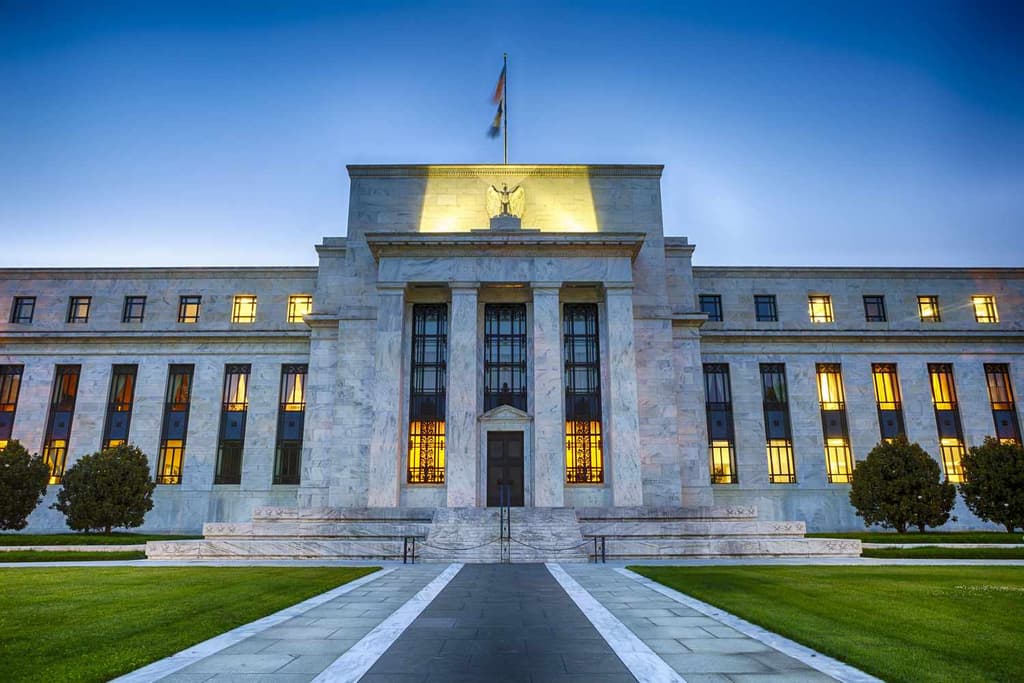
Strong May jobs data and persistent inflation pressures, including war-related energy price effects, have anchored the federal funds rate at its current 3.50-3.75% target range, driving the 92.5% market-implied probability of pauses at the June and July FOMC meetings. Economists broadly expect no policy shifts through year-end amid a firm labor market with unemployment near 4.3% and core PCE readings above the 2% goal, while recent communications from incoming Chair Kevin Warsh signal a reduced easing bias. This trader consensus reflects capital-backed views that incoming data would need to show clear disinflation or labor-market deterioration to support any near-term cuts.
Experimental AI-generated summary referencing Polymarket data. This is not trading advice and plays no role in how this market resolves. · UpdatedPause–Pause–Pause 93%
Other 4.3%
Pause–Pause–Cut 2.8%
Pause–Cut–Pause 1.4%
$54,334 Vol.
$54,334 Vol.
Jul 29, 2026
Pause–Pause–Pause
93%
Pause–Pause–Cut
3%
Pause–Cut–Pause
1%
Pause–Cut–Cut
<1%
Other
4%
Pause–Pause–Pause 93%
Other 4.3%
Pause–Pause–Cut 2.8%
Pause–Cut–Pause 1.4%
$54,334 Vol.
$54,334 Vol.
Jul 29, 2026
Pause–Pause–Pause
$4,885 Vol.
93%
Pause–Pause–Cut
$2,918 Vol.
3%
Pause–Cut–Pause
$2,632 Vol.
1%
Pause–Cut–Cut
$1,937 Vol.
<1%
Other
$1,977 Vol.
4%
The FED interest rates are defined in this market by the upper bound of the target federal funds rate. The decisions on the target federal funds rate are made by the Federal Open Market Committee (FOMC) meetings.
This market will resolve according to the decisions made by the next three Federal Open Market Committee (FOMC) meetings: April 28-29; June 16-17; and July 28-29.
A qualifying cut occurs when the new upper bound of the target federal funds rate is lower compared to the level it was prior to the respective meeting.
A qualifying hike occurs when the new upper bound of the target federal funds rate is higher compared to the level it was prior to the respective meeting.
A qualifying pause occurs when the new upper bound of the target federal funds rate is equal to the level it was prior to the respective meeting.
If the Fed publishes a different combination than any listed, this market will resolve to "Other". Any rate hike will be encompassed by "Other".
Emergency rate cuts outside the regularly scheduled meetings will not be considered.
The resolution source for this market is the FOMC’s statement after its meetings:
https://www.federalreserve.gov/monetarypolicy/fomccalendars.htm
The level and change of the target federal funds rate is also published at the official website of the Federal Reserve:
https://www.federalreserve.gov/monetarypolicy/openmarket.htmStrong May jobs data and persistent inflation pressures, including war-related energy price effects, have anchored the federal funds rate at its current 3.50-3.75% target range, driving the 92.5% market-implied probability of pauses at the June and July FOMC meetings. Economists broadly expect no policy shifts through year-end amid a firm labor market with unemployment near 4.3% and core PCE readings above the 2% goal, while recent communications from incoming Chair Kevin Warsh signal a reduced easing bias. This trader consensus reflects capital-backed views that incoming data would need to show clear disinflation or labor-market deterioration to support any near-term cuts.
The FED interest rates are defined in this market by the upper bound of the target federal funds rate. The decisions on the target federal funds rate are made by the Federal Open Market Committee (FOMC) meetings.
This market will resolve according to the decisions made by the next three Federal Open Market Committee (FOMC) meetings: April 28-29; June 16-17; and July 28-29.
A qualifying cut occurs when the new upper bound of the target federal funds rate is lower compared to the level it was prior to the respective meeting.
A qualifying hike occurs when the new upper bound of the target federal funds rate is higher compared to the level it was prior to the respective meeting.
A qualifying pause occurs when the new upper bound of the target federal funds rate is equal to the level it was prior to the respective meeting.
If the Fed publishes a different combination than any listed, this market will resolve to "Other". Any rate hike will be encompassed by "Other".
Emergency rate cuts outside the regularly scheduled meetings will not be considered.
The resolution source for this market is the FOMC’s statement after its meetings:
https://www.federalreserve.gov/monetarypolicy/fomccalendars.htm
The level and change of the target federal funds rate is also published at the official website of the Federal Reserve:
https://www.federalreserve.gov/monetarypolicy/openmarket.htm
This market will resolve according to the decisions made by the next three Federal Open Market Committee (FOMC) meetings: April 28-29; June 16-17; and July 28-29.
A qualifying cut occurs when the new upper bound of the target federal funds rate is lower compared to the level it was prior to the respective meeting.
A qualifying hike occurs when the new upper bound of the target federal funds rate is higher compared to the level it was prior to the respective meeting.
A qualifying pause occurs when the new upper bound of the target federal funds rate is equal to the level it was prior to the respective meeting.
If the Fed publishes a different combination than any listed, this market will resolve to "Other". Any rate hike will be encompassed by "Other".
Emergency rate cuts outside the regularly scheduled meetings will not be considered.
The resolution source for this market is the FOMC’s statement after its meetings:
https://www.federalreserve.gov/monetarypolicy/fomccalendars.htm
The level and change of the target federal funds rate is also published at the official website of the Federal Reserve:
https://www.federalreserve.gov/monetarypolicy/openmarket.htm
Market Opened: Mar 24, 2026, 7:44 PM ET
Volume
$54,334End Date
Jul 29, 2026Market Opened
Mar 24, 2026, 7:44 PM ETResolver
0x69c47De9D...The FED interest rates are defined in this market by the upper bound of the target federal funds rate. The decisions on the target federal funds rate are made by the Federal Open Market Committee (FOMC) meetings.
This market will resolve according to the decisions made by the next three Federal Open Market Committee (FOMC) meetings: April 28-29; June 16-17; and July 28-29.
A qualifying cut occurs when the new upper bound of the target federal funds rate is lower compared to the level it was prior to the respective meeting.
A qualifying hike occurs when the new upper bound of the target federal funds rate is higher compared to the level it was prior to the respective meeting.
A qualifying pause occurs when the new upper bound of the target federal funds rate is equal to the level it was prior to the respective meeting.
If the Fed publishes a different combination than any listed, this market will resolve to "Other". Any rate hike will be encompassed by "Other".
Emergency rate cuts outside the regularly scheduled meetings will not be considered.
The resolution source for this market is the FOMC’s statement after its meetings:
https://www.federalreserve.gov/monetarypolicy/fomccalendars.htm
The level and change of the target federal funds rate is also published at the official website of the Federal Reserve:
https://www.federalreserve.gov/monetarypolicy/openmarket.htmStrong May jobs data and persistent inflation pressures, including war-related energy price effects, have anchored the federal funds rate at its current 3.50-3.75% target range, driving the 92.5% market-implied probability of pauses at the June and July FOMC meetings. Economists broadly expect no policy shifts through year-end amid a firm labor market with unemployment near 4.3% and core PCE readings above the 2% goal, while recent communications from incoming Chair Kevin Warsh signal a reduced easing bias. This trader consensus reflects capital-backed views that incoming data would need to show clear disinflation or labor-market deterioration to support any near-term cuts.
The FED interest rates are defined in this market by the upper bound of the target federal funds rate. The decisions on the target federal funds rate are made by the Federal Open Market Committee (FOMC) meetings.
This market will resolve according to the decisions made by the next three Federal Open Market Committee (FOMC) meetings: April 28-29; June 16-17; and July 28-29.
A qualifying cut occurs when the new upper bound of the target federal funds rate is lower compared to the level it was prior to the respective meeting.
A qualifying hike occurs when the new upper bound of the target federal funds rate is higher compared to the level it was prior to the respective meeting.
A qualifying pause occurs when the new upper bound of the target federal funds rate is equal to the level it was prior to the respective meeting.
If the Fed publishes a different combination than any listed, this market will resolve to "Other". Any rate hike will be encompassed by "Other".
Emergency rate cuts outside the regularly scheduled meetings will not be considered.
The resolution source for this market is the FOMC’s statement after its meetings:
https://www.federalreserve.gov/monetarypolicy/fomccalendars.htm
The level and change of the target federal funds rate is also published at the official website of the Federal Reserve:
https://www.federalreserve.gov/monetarypolicy/openmarket.htm
This market will resolve according to the decisions made by the next three Federal Open Market Committee (FOMC) meetings: April 28-29; June 16-17; and July 28-29.
A qualifying cut occurs when the new upper bound of the target federal funds rate is lower compared to the level it was prior to the respective meeting.
A qualifying hike occurs when the new upper bound of the target federal funds rate is higher compared to the level it was prior to the respective meeting.
A qualifying pause occurs when the new upper bound of the target federal funds rate is equal to the level it was prior to the respective meeting.
If the Fed publishes a different combination than any listed, this market will resolve to "Other". Any rate hike will be encompassed by "Other".
Emergency rate cuts outside the regularly scheduled meetings will not be considered.
The resolution source for this market is the FOMC’s statement after its meetings:
https://www.federalreserve.gov/monetarypolicy/fomccalendars.htm
The level and change of the target federal funds rate is also published at the official website of the Federal Reserve:
https://www.federalreserve.gov/monetarypolicy/openmarket.htm
Volume
$54,334End Date
Jul 29, 2026Market Opened
Mar 24, 2026, 7:44 PM ETResolver
0x69c47De9D...Strong May jobs data and persistent inflation pressures, including war-related energy price effects, have anchored the federal funds rate at its current 3.50-3.75% target range, driving the 92.5% market-implied probability of pauses at the June and July FOMC meetings. Economists broadly expect no policy shifts through year-end amid a firm labor market with unemployment near 4.3% and core PCE readings above the 2% goal, while recent communications from incoming Chair Kevin Warsh signal a reduced easing bias. This trader consensus reflects capital-backed views that incoming data would need to show clear disinflation or labor-market deterioration to support any near-term cuts.
Experimental AI-generated summary referencing Polymarket data. This is not trading advice and plays no role in how this market resolves. · Updated
Beware of external links.
Beware of external links.
Frequently Asked Questions