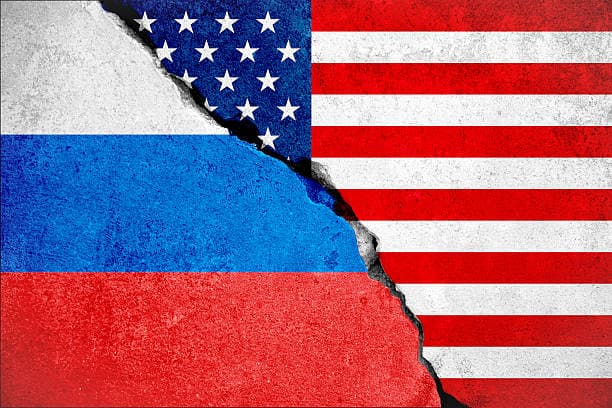
Ongoing Russia-Ukraine fighting features intensified Russian drone and missile barrages through early June 2026, yet U.S. forces remain engaged indirectly through aid and NATO coordination without direct battlefield contact. Recent U.S. military actions against Iran and the Maduro operation in Venezuela produced limited naval friction with Russian assets but triggered no escalation. Bilateral military-to-military channels reopened in February, supporting deconfliction amid broader NATO-Russia tensions over Baltic security and troop posture. With the resolution window closing at the end of June, traders assess the narrow timeframe and absence of immediate flashpoints as the dominant constraints on direct confrontation.
Experimental AI-generated summary referencing Polymarket data. This is not trading advice and plays no role in how this market resolves. · UpdatedNATO conducts joint military exercises near Suwalki corridor
NATO forces from Lithuania, Poland, and France held tactical maneuvers near the Suwalki corridor, a strategic area near Russia, raising regional tensions but not triggering direct US-Russia military conflict, keeping market odds low.
Russia denies seeking military clash with NATO amid rising tensions
Russian officials publicly stated they do not seek military conflict with NATO, aiming to reduce fears of direct US-Russia military engagement, which helped stabilize market prices at low levels.
Russian drone hits apartment building in Romania, raising NATO tensions
A Russian drone strike on Romanian territory heightened NATO-Russia tensions and prompted NATO consultations, increasing fears of escalation but not direct US-Russia military combat, reflected in market fluctuations.
Russia launches missile strikes on Ukraine using multiple missile types
December 31, 2026 drops to 5%5%
Russian forces conducted missile strikes on Ukrainian military targets, escalating the conflict but without direct military engagement with US forces, thus not fulfilling the market's military clash criteria.
Russia launches large-scale missile and drone strikes on Kyiv and eastern Ukraine
December 31, 2026 dips to 5%1%
On May 23, 2026, Russia initiated systematic strikes involving hundreds of drones and missiles targeting military facilities in Kyiv and eastern Ukraine, escalating the conflict. The US Embassy condemned the attacks, but no direct US-Russia military engagement was reported, maintaining the market's low probability for a direct clash.
Continued fighting despite U.S.-mediated ceasefire with accusations of drone and artillery strikes
June 30, 2026 dips to 2%1%
On May 11, 2026, both Russia and Ukraine reported ongoing fighting and accused each other of drone and artillery strikes despite the ceasefire. This persistent conflict without direct US-Russia military engagement kept market expectations for a direct clash low and contributed to price declines.
Russia and Ukraine Trade Blame for Violations as US-Mediated Ceasefire Nears End
December 31, 2026 dips to 7%1%
Despite the US-brokered ceasefire, both sides reported continued front-line clashes and drone strikes, highlighting the fragility of diplomatic efforts but keeping direct US-Russia military engagement risks low.
Fighting continues between Russia and Ukraine despite US-mediated ceasefire
December 31, 2026 dips to 8%2%
Ongoing hostilities between Russia and Ukraine persisted with drone and artillery strikes, but no direct US-Russia military engagement occurred, keeping market probabilities for a clash low.
Russian forces continue limited assaults amid truce in eastern Ukraine
Despite a truce, Russian forces maintained shelling and drone strikes without significant advances, indicating a stalemate rather than escalation. This maintained low market expectations for a US-Russia military clash in the near term.
Trump announces Russia and Ukraine agree to 3-day ceasefire
December 31, 2026 dips to 7%1%
US President Trump announced a ceasefire agreement between Russia and Ukraine, brokered through US diplomatic efforts, reducing immediate conflict escalation risks involving US and Russia.
Russia and Ukraine agree to U.S.-mediated three-day ceasefire amid ongoing conflict
December 31, 2026 dips to 8%4%
On May 9, 2026, Russia and Ukraine agreed to a U.S.-brokered ceasefire from May 9 to May 11, aiming to reduce hostilities. Despite the ceasefire, both sides accused each other of violations, but the agreement signaled a temporary de-escalation, reducing fears of a direct US-Russia military clash and contributing to a price decline in the market.
Trump announces US-mediated ceasefire agreement between Russia and Ukraine
June 30, 2026 dips to 1%2%
A three-day ceasefire was agreed upon between Russia and Ukraine through US mediation, signaling diplomatic progress and reducing immediate escalation risks involving US and Russian forces directly.
US-mediated ceasefire agreed between Russia and Ukraine
December 31, 2026 dips to 7%1%
On May 8, 2026, Russia and Ukraine agreed to a US-mediated three-day ceasefire and prisoner exchange, reflecting ongoing diplomatic efforts to reduce hostilities. This development likely contributed to a decline in market expectations of a direct US-Russia military clash during the period.
Trump Announces Three-Day Ceasefire and Major Prisoner Swap Between Russia and Ukraine
June 30, 2026 dips to 2%1%
President Donald Trump announced a US-mediated 72-hour ceasefire and a 1,000-prisoner exchange, signaling active US diplomatic mediation and temporarily lowering the risk of escalatory military incidents.
Drone strike damages Moscow's Mosfilm Tower amid increased Ukrainian attacks
December 31, 2026 dips to 6%2%
Ukraine intensified its long-range drone strike campaign, including a notable strike on Moscow City, raising concerns about Russian internal security but not escalating to direct US-Russia military conflict. This contributed to market uncertainty but did not increase clash probabilities significantly.
ISW Reports Russia Suffered First Net Loss of Controlled Territory in Ukraine Since August 2024
December 31, 2026 dips to 8%3%
The Institute for the Study of War assessed that Russian forces lost a net 116 square kilometers in April 2026, signaling a declining rate of advance and reducing immediate fears of rapid Russian expansion that could trigger a direct clash with the West.
ISW reports slowing Russian advances and increased infiltration tactics
December 31, 2026 dips to 8%4%
The Institute for the Study of War noted a steady decline in Russian territorial gains and a shift towards infiltration tactics rather than large-scale offensives. This suggested a protracted conflict with less likelihood of direct US-Russia military engagement, influencing market prices downward.
Ukrainian forces repel Russian drone attacks and maintain defensive positions
December 31, 2026 dips to 7%4%
Ukrainian air defenses successfully neutralized most Russian drones on May 2, 2026, and Russian offensives stalled with significant territorial losses, reducing immediate risk of escalation to direct US-Russia military clash.
Robert Kagan warns of geopolitical fallout from Iran war affecting US-Russia relations
December 31, 2026 dips to 6%2%
Analysis highlighted the costly and prolonged nature of US and Russian conflicts in Iran and Ukraine, damaging their military credibility and increasing risks of miscalculation. This tempered market expectations for direct US-Russia military clashes in the near term.
Ukraine and Russia report ongoing fighting despite US-mediated ceasefire
December 31, 2026 surges to 52%42%
Despite a US-mediated ceasefire, fighting continued along the Ukraine-Russia front line with drone and artillery strikes, maintaining regional tensions but no direct US-Russia military clash.
Market spikes amid reports of intensified Russian military activity and increased global tensions
December 31, 2026 surges to 52%42%
The market price surged to a peak of 52% on April 28, 2026, reflecting heightened fears of direct conflict due to Russia's military buildup and ongoing tensions, though no direct US-Russia military clash was reported.
Dutch Intelligence Warns Russia Preparing for Potential Conflict With NATO Within a Year of Ukraine War Ending
The Dutch military intelligence service (MIVD) warned that Russia is actively preparing for a potential regional conflict with NATO, aiming to divide the alliance through limited territorial gains once hostilities in Ukraine conclude.
US announces reduction in NATO military support amid tensions
The US declared plans to cut strategic bombers and warships available to NATO, reflecting a strategic shift away from direct military confrontation with Russia. This news contributed to a decrease in market pricing for a military clash by June 30, 2026, indicating lowered expectations of imminent conflict.
Reports of Russian military aid to Iran amid US-Iran conflict
December 31, 2026 rises to 11%3%
In late March 2026, reports emerged that Russia was providing military cooperation and intelligence support to Iran during the US-Iran conflict. This raised concerns about indirect escalation risks between the US and Russia, contributing to market uncertainty about potential direct clashes.
US and Ukrainian delegations hold bilateral meeting in Miami amid ongoing conflict
December 31, 2026 dips to 11%3%
US and Ukrainian officials met to discuss peace efforts while Russian forces intensified operations in Ukraine. The absence of US-Russia direct military engagement kept market probabilities low for a direct clash.
Ukrainian forces strike key Russian military facilities amid ongoing war
December 31, 2026 rises to 15%4%
Ukrainian military operations targeted Russian military production and logistics sites, escalating the conflict in Ukraine. This increased fears of broader regional instability and potential US-Russia military entanglement, briefly raising market odds.
US intelligence report highlights risk of direct conflict with Russia
December 31, 2026 dips to 11%3%
A 2026 US intelligence assessment emphasized the danger of escalation with Russia, including the possibility of direct conflict with NATO. This report increased market concerns about a potential military clash, contributing to price volatility.
US partially eases sanctions on Russian oil amid ongoing conflicts
December 31, 2026 rises to 16%2%
On March 13, 2026, the US lifted sanctions on Russian oil already on tankers at sea until April 11, providing economic relief to Russia. This decision was controversial and seen as a strategic move amid ongoing conflicts, including the Ukraine war and tensions involving Iran, influencing market perceptions of US-Russia relations.
United States Temporarily Lifts Sanctions on Stranded Russian Oil
December 31, 2026 dips to 11%3%
The US temporarily authorized the sale of Russian oil stranded at sea to stabilize global energy markets amid the Iran conflict, easing immediate economic and diplomatic friction between Washington and Moscow.
US and allies clash with Russia and China at UN over Iran nuclear program
At the UN, the US and Western allies confronted Russia and China over Iran's nuclear intentions, reflecting geopolitical tensions but not direct military conflict, maintaining market uncertainty about a US-Russia clash.
U.S. Temporarily Lifts Sanctions on Stranded Russian Oil Tankers
December 31, 2026 dips to 9%4%
The U.S. Office of Foreign Asset Control temporarily authorized the delivery and sale of stranded Russian crude oil to promote global energy market stability, easing immediate economic tensions.
Reports of Russia sharing intelligence with Iran to target US forces in Middle East
December 31, 2026 jumps to 11%5%
On March 6, 2026, reports emerged that Russia was providing Iran with targeting information to attack US forces in the Middle East, indicating indirect conflict dynamics but no direct US-Russia military engagement, which kept the market cautious but not alarmed about a direct clash.
Russia provides Iran with intelligence to target US forces in Middle East
December 31, 2026 jumps to 11%5%
Reports emerged that Russia was supplying Iran with targeting information against US forces, raising concerns about indirect conflict escalation but not direct US-Russia military engagement.
Russia Reportedly Shares Targeting Intelligence with Iran to Strike US Forces
December 31, 2026 rises to 16%3%
Reports emerged that Russia has been providing Iran with the locations of US military assets to facilitate attacks, significantly raising the risk of a direct escalatory spiral between US and Russian forces.
Russia Reportedly Providing Iran with Intelligence to Target U.S. Forces
December 31, 2026 jumps to 16%5%
U.S. officials revealed that Russia has been providing Iran with targeting information, including the locations of U.S. warships and aircraft, to facilitate strikes against American forces in the Middle East.
Russian forces prepare large-scale offensive in Donetsk region with troop buildup
December 31, 2026 jumps to 11%5%
Intelligence reports indicated Russia was planning a major offensive in eastern Ukraine, adding 20,000 troops and increasing military presence, raising concerns about escalation and potential US involvement.
United States and Israel Launch Joint Military Operation Against Iran
December 31, 2026 jumps to 11%5%
The launch of a major joint military campaign against Iran by the US and Israel dramatically increased geopolitical tensions and raised the risk of proxy or direct clashes with Russia, which maintains close ties with Tehran.
Russian Foreign Minister Lavrov criticizes US military actions amid Middle East tensions
Lavrov accused the US of destabilizing the Middle East and conducting military operations against countries it was negotiating with, increasing diplomatic tensions and market fears of broader conflict involving Russia and the US.
US, Ukraine, and Russia hold trilateral peace talks in Geneva
December 31, 2026 dips to 5%2%
Trilateral talks aimed at ending the war in Ukraine took place in Geneva, with discussions on ceasefire and security guarantees. The diplomatic engagement reduced immediate fears of direct US-Russia military conflict, contributing to market price declines.
Russia significantly increases ammunition production and imports to bolster military capacity
December 31, 2026 jumps to 11%5%
Reports revealed Russia ramped up ammunition production to over seven million shells in 2025 and imported millions more from Iran and North Korea, signaling preparation for prolonged conflict. This heightened military readiness increased market concerns about potential escalation involving Russia.
Report: Russia increases ammunition production and imports from Iran and North Korea
December 31, 2026 dips to 5%2%
Estonian intelligence reported Russia significantly ramped up ammunition production and imports, indicating preparation for future conflicts but no immediate escalation involving US forces, supporting the market's low probability for a US-Russia clash.
Munich Security Conference warns Russia likely preparing war against Baltic states
December 31, 2026 dips to 6%1%
The conference report indicated Russia's preparations for conflict with Baltic states within six months, raising regional tensions but not directly involving US forces, thus having limited impact on the US-Russia clash market which remained low.
US pushes for Russia-Ukraine war to end by summer amid ongoing strikes
December 31, 2026 dips to 7%1%
US President Trump announced efforts to end the Russia-Ukraine war by summer 2026, with ongoing negotiations and ceasefire proposals, which contributed to market expectations of reduced risk of direct US-Russia military conflict.
Expiration of New START nuclear arms treaty between US and Russia
December 31, 2026 dips to 7%1%
The New START treaty, which limited deployed strategic nuclear warheads, expired on February 5, 2026. The expiration removed treaty-bound limits on US and Russian nuclear arsenals, raising concerns about a new arms race but also coinciding with renewed military dialogue to manage tensions.
New START nuclear arms treaty expires, raising nuclear risk concerns
December 31, 2026 dips to 7%1%
The expiration of the New START treaty removed treaty-bound limits on US and Russian strategic nuclear weapons, increasing global nuclear risk but not directly causing military clashes, contributing to market uncertainty.
US and Russia agree to reestablish high-level military-to-military dialogue
December 31, 2026 drops to 7%7%
Following talks in Abu Dhabi, the US and Russia agreed to resume high-level military communication, a move aimed at increasing transparency and de-escalation. This development significantly lowered market expectations of a military clash by restoring direct communication channels.
US and Russia resume high-level military talks after hiatus
December 31, 2026 dips to 6%2%
The United States and Russia announced the resumption of high-level military-to-military dialogue suspended since before the 2022 Ukraine invasion. This development suggested a potential de-escalation channel, temporarily reducing fears of direct military conflict, reflected in market price movements.
U.S. and Russia Agree to Reestablish High-Level Military Dialogue
December 31, 2026 drops to 5%6%
The United States and Russia agreed to resume high-level military-to-military communications, which had been suspended since late 2021, to avoid miscalculation and manage escalation.
Russia resumes missile and drone strikes on Ukrainian energy infrastructure
December 31, 2026 dips to 8%2%
Despite ongoing peace talks, Russia launched a significant missile and drone strike on Ukraine's energy infrastructure, demonstrating continued conflict but no direct US-Russia military engagement, which kept the market cautious but not alarmed about a direct clash.
Putin agrees to trilateral US-Russia-Ukraine security talks in Abu Dhabi
December 31, 2026 dips to 13%1%
Russian President Putin met with US advisors and agreed to trilateral working group meetings with the US and Ukraine to discuss security issues, signaling diplomatic engagement and reducing immediate risk of direct US-Russia military conflict.
Trilateral US-Russia-Ukraine working group formed to discuss security issues
December 31, 2026 dips to 13%1%
On January 23, Putin agreed to trilateral working group meetings with the US and Ukraine in Abu Dhabi to discuss security issues, signaling a diplomatic approach to conflict resolution and reducing market expectations of a military clash.
Trilateral talks on Ukraine security issues held in Abu Dhabi with US, Russia, and Ukraine
December 31, 2026 rises to 16%1%
On January 23-24, 2026, trilateral working group meetings took place in Abu Dhabi involving US, Russian, and Ukrainian officials to discuss security issues, indicating diplomatic engagement aimed at conflict resolution and reducing the risk of direct US-Russia military confrontation.
US Department of Defense releases 2026 National Defense Strategy highlighting Russia as a threat
December 31, 2026 dips to 14%2%
The US DoD's 2026 National Defense Strategy identified Russia as a key threat but prioritized homeland and Western Hemisphere security, indicating a strategic posture that may avoid direct military clashes with Russia in Europe. This context supported the market's low probability pricing for a clash.
US releases 2026 National Defense Strategy emphasizing diplomacy and defense priorities
December 31, 2026 dips to 13%2%
The US Department of Defense published its National Defense Strategy focusing on homeland and Western Hemisphere security and highlighting diplomatic efforts, which contributed to lowering the perceived risk of a US-Russia military clash in 2025.
Russia, US, and Ukraine agree to trilateral security talks in Abu Dhabi
December 31, 2026 dips to 14%2%
Russian and US officials agreed to meet with Ukraine in Abu Dhabi to discuss security issues, indicating diplomatic efforts to manage the conflict and reduce the risk of direct US-Russia military clashes. This contributed to a decline in market probability for a military encounter.
Putin agrees to trilateral security talks with US and Ukraine in Abu Dhabi
December 31, 2026 dips to 12%4%
Russian Presidential Aide Yuriy Ushakov announced that Putin agreed to meet with US and Ukrainian officials in Abu Dhabi to discuss security issues, indicating diplomatic engagement that reduced immediate fears of direct US-Russia military conflict.
US, Russia, and Ukraine hold trilateral talks in Abu Dhabi on security issues
December 31, 2026 dips to 15%2%
Senior officials from the US, Russia, and Ukraine met in Abu Dhabi to discuss security and potential peace measures, including troop disengagement. The talks suggested a diplomatic path forward, reducing the perceived likelihood of a direct US-Russia military clash during the period.
US and Russian officials hold peace talks amid ongoing Ukraine conflict
December 31, 2026 dips to 14%1%
On January 21-22, US officials met with Russian President Putin and Ukrainian officials to discuss peace negotiations. These diplomatic efforts contributed to a gradual market decline in the probability of a military clash, reflecting hopes for de-escalation.
US Forces Seize Another Russian Shadow Fleet Tanker Sagitta in Caribbean
December 31, 2026 rises to 16%3%
US Southern Command announced the apprehension of the tanker Sagitta under President Trump's quarantine of sanctioned vessels, continuing the aggressive enforcement campaign without triggering a military clash.
Russia accuses US of stoking tensions with tanker seizure in North Atlantic
Russia condemned the US seizure of a Russian-flagged oil tanker, accusing Washington of escalating military-political tensions and threatening international shipping. This event heightened concerns about deteriorating US-Russia relations but did not involve direct military engagement, contributing to market uncertainty.
Russia Condemns Tanker Seizure, Warning of Escalation in Military-Political Tensions
The Russian Foreign Ministry strongly condemned the US seizure of the Marinera, warning it would lower the threshold for the use of force against shipping, though Moscow refrained from immediate military retaliation.
US seizes Russian-flagged oil tanker, escalating tensions
December 31, 2026 plunges to 17%33%
The US conducted a military operation seizing a Russian-flagged oil tanker in the North Atlantic, which Russia condemned as a dangerous escalation and violation of international law. This action heightened military-political tensions and briefly increased market concerns about potential US-Russia military conflict.
US Forces Seize Russian-Flagged Oil Tanker in North Atlantic
December 31, 2026 plunges to 17%33%
The US military, in a joint operation with the UK, boarded and seized the Russian-flagged oil tanker Bella-1 (Marinera) in international waters. While this escalated geopolitical tensions, the lack of a violent military response from Russia signaled a desire to avoid direct military confrontation.
US Military Seizes Russian-Flagged Oil Tanker Marinera in North Atlantic
December 31, 2026 plunges to 14%36%
The US military, supported by the UK, boarded and seized the Russian-flagged tanker Marinera (formerly Bella 1) in international waters. Despite a nearby Russian submarine escort, the operation was completed without direct military engagement, temporarily spiking clash fears before settling.
US-Russia military clash fears peak amid heightened tensions
On January 6, 2026, market prices peaked at 50% for a military clash, reflecting heightened fears possibly driven by military simulations and escalating rhetoric. This peak was short-lived as subsequent diplomatic efforts began to ease tensions.
US destroys Russian-supplied Buk-M2E missile system in Venezuela airstrike
December 31, 2026 jumps to 15%7%
US forces conducted a military strike destroying a Russian-supplied missile system in Venezuela, signaling direct US action against Russian military assets abroad. This raised concerns about escalation but did not involve direct US-Russia military engagement, causing a temporary market reaction.
US and Russia clash diplomatically over China's military drills near Taiwan
December 31, 2026 rises to 8%3%
The US condemned China's live-fire exercises near Taiwan as provocative, while Russia supported China's stance, highlighting their deepening partnership. This heightened regional tensions but did not escalate to direct US-Russia military conflict, influencing market perceptions of risk.
Russian military losses exceed 1.2 million personnel, indicating exhaustion
December 31, 2026 rises to 15%2%
On December 30, Ukrainian General Staff reported Russian losses exceeding 1.2 million personnel, highlighting severe depletion of Russian military capacity. This diminished the likelihood of Russia engaging US forces directly, contributing to the market's sharp drop in probability for a US-Russia military clash.
Russia unable to accelerate offensive but remains committed to Donbas and Zaporizhzhia
December 31, 2026 plunges to 13%37%
Reports on December 29 indicated that Russia could not accelerate its offensive in 2026 due to depleted reserves and high casualties, limiting the scope of conflict escalation. This reduced the perceived risk of a direct US-Russia military clash, reflected in market price declines.
Russia launches large-scale missile and drone attack on Ukraine
On December 26, Russia attacked Ukraine with an Iskander-M ballistic missile and nearly 100 drones, most of which were intercepted by Ukrainian air defenses. This escalation in the Russia-Ukraine conflict increased tensions but did not involve US forces, leading to a slight market reassessment of direct US-Russia military clash likelihood.
US anticipates Ukraine-Russia agreement by year-end, proposes trilateral meeting
June 30, 2026 dips to 5%1%
The US suggested a trilateral meeting with Ukraine and Russia to negotiate peace, signaling diplomatic efforts to resolve the conflict without direct US-Russia military clashes. This contributed to maintaining the market's low probability for a military encounter.
US anticipates Ukraine-Russia agreement by year-end, proposes trilateral meeting
December 31, 2026 plunges to 17%33%
The US suggested a trilateral meeting with Ukraine and Russia to negotiate peace, signaling diplomatic efforts to resolve conflict and lowering the chance of direct US-Russia military engagement. This contributed to market price declines for the December 31, 2026 outcome.
Moscow delays military actions against Europe until 2027, reducing immediate clash risk
December 31, 2026 plunges to 14%36%
Russian military plans were revised to postpone potential actions against Europe to 2027, signaling a lower likelihood of direct military conflict with the US in 2025. This news caused a sharp drop in market prices reflecting reduced chances of a US-Russia military encounter within the year.
Moscow delays potential military actions against Europe until 2027
June 30, 2026 dips to 5%1%
Ukraine's intelligence chief reported that Russia revised its military plans, pushing back any potential actions against Europe to 2027, reducing immediate fears of a US-Russia military clash. This news contributed to a decline in market prices for a clash by the June 30, 2026 outcome.
US Intelligence Warns Putin's Core War Aims in Ukraine Remain Unchanged
US intelligence reports warned that Putin has not abandoned his goal of capturing all of Ukraine, contrasting with the more optimistic peace-negotiation narratives pushed by US peace negotiators, keeping the market stable at a low 5% probability.
US intelligence confirms Putin's unchanged war aims in Ukraine
US intelligence reports indicated that Russian President Putin remained committed to his objectives in Ukraine, but there was no indication of direct military conflict with US forces. This intelligence likely contributed to the market's low probability assessment of a US-Russia military clash.
US intelligence confirms Russia seeks to avoid larger war with Europe
June 30, 2026 dips to 5%1%
US intelligence briefings indicated Russian President Putin aims to avoid broader conflict with Europe and lacks capacity to overrun all Ukraine or Europe, reducing likelihood of direct US-Russia military clash in 2025.
Ukrainian drone strike hits Russian military-industrial site in Cheboksary
Ukrainian forces struck a Russian military equipment producer with drones, causing a state of emergency in the region. Despite this escalation in the Ukraine-Russia conflict, no direct US-Russia military engagement occurred, maintaining low market probability for a clash.
Russia attacks Dnipropetrovsk region with drones and artillery
Russian forces launched multiple attacks on Ukrainian territory using drones and artillery, demonstrating ongoing conflict but no direct military engagement with US forces. This maintained low market confidence in a US-Russia clash.
Kremlin Welcomes New US National Security Strategy
The Kremlin praised the new US National Security Strategy for prioritizing strategic stability and cooperation rather than framing Russia as a direct threat, significantly easing bilateral military tensions.
Kremlin Welcomes Donald Trump's New US National Security Strategy
Kremlin spokesperson Dmitry Peskov stated that the adjustments in Trump's new National Security Strategy are 'largely consistent' with Moscow's vision, further reducing the perceived risk of a direct military confrontation.
US-Ukrainian talks continue amid ongoing Russian offensives
Diplomatic talks between US and Ukraine proceeded while Russian forces remained engaged in urban warfare and infiltration tactics in Ukraine. No reports indicated direct US-Russia military clashes, reinforcing market expectations of no direct encounter.
Ukrainian forces repel Russian advances in Pokrovsk urban warfare
June 30, 2026 dips to 5%4%
Ukrainian reports indicated Russian forces bogged down in urban combat in Pokrovsk with heavy Russian casualties, showing no escalation to US-Russia direct military conflict. This sustained market's low probability for US-Russia clash.
Putin Says US Peace Plan Could Form Basis of Future Agreements
Russian President Vladimir Putin acknowledged that the US-proposed peace plan could serve as a basis for negotiations, further cementing the shift toward a diplomatic track and lowering the risk of direct military clashes.
Putin Addresses US-Proposed Peace Plan and Demands Ukrainian Withdrawal
June 30, 2026 dips to 4%3%
Russian President Vladimir Putin made his most extensive comments on the US-proposed peace plan, stating that military action would stop if Ukrainian troops withdrew from claimed territories, signaling that negotiations were actively being discussed.
US threatens Russia with sanctions if ceasefire not observed
US officials warned of additional sanctions if Russia did not cease fire in Ukraine, while Russia indicated satisfaction with ongoing war dynamics. This heightened tensions but did not escalate to direct US-Russia military engagement, contributing to market uncertainty and a slight price decrease.
US threatens additional sanctions if Russia refuses ceasefire in Ukraine
June 30, 2026 rises to 12%3%
US Permanent Representative to the UN Mike Waltz warned of more sanctions against Russia if it did not cease fire, while Russia indicated satisfaction with ongoing war dynamics. This reinforced expectations of continued conflict without direct US-Russia military engagement, stabilizing the market at low levels.
US and Ukrainian Officials Report Progress on Amending Peace Proposal in Geneva
June 30, 2026 dips to 5%2%
US Secretary of State Marco Rubio and Ukrainian representatives met in Geneva to refine a peace framework, demonstrating active diplomatic engagement to resolve the conflict and avoid direct military confrontation.
Senior Pentagon Officials Arrive in Kyiv to Discuss Ceasefire and Peace Framework
June 30, 2026 dips to 7%2%
US Army Secretary Dan Driscoll and senior military officials traveled to Kyiv to discuss efforts to end the war, signaling a strong push toward a diplomatic resolution and reducing the likelihood of direct US-Russia escalation.
Ukraine conducts significant ATACMS missile strikes on Russian military targets
June 30, 2026 dips to 8%1%
Ukraine openly acknowledged using US-supplied ATACMS missiles to strike military targets inside Russia, marking a significant escalation in the conflict. However, these strikes did not involve direct US military forces, and Russia denied any US involvement, maintaining the conflict as Ukraine-Russia only.
Russia Warns US Over Military Buildup and Strikes in the Caribbean
June 30, 2026 dips to 8%3%
Russia condemned the United States for using 'excessive military force' in the Caribbean under the guise of anti-narcotics missions, raising concerns of a potential proxy flashpoint as Venezuela requested Russian military assistance.
Russia and Belarus prepare missile system deployment amid heightened tensions
June 30, 2026 dips to 8%3%
Belarus announced Oreshnik missile system deployment planned for December 2025, with Kremlin citing European militarization concerns. Despite increased military readiness, no direct US-Russia military engagement occurred, further lowering market odds.
Heavy Russian drone and missile strikes intensify in Ukraine
June 30, 2026 plunges to 11%39%
Russian forces launched thousands of drones and missiles targeting Ukrainian energy infrastructure and military positions, escalating the conflict but without involving US forces directly. This sustained conflict without US-Russia direct engagement contributed to market reassessment of clash likelihood.
Russia and Belarus Prepare to Deploy Oreshnik Missile System on Combat Duty
June 30, 2026 plunges to 11%39%
The Kremlin announced that Belarus would put the Oreshnik missile system on combat duty in December 2025, continuing its reflexive control campaign to undermine Western resolve. This saber-rattling did not lead to direct escalation, and the market began pricing down the likelihood of a direct US-Russia clash.
Belarus to Put Oreshnik Missile System on Combat Duty in December
June 30, 2026 plunges to 25%25%
Belarusian officials announced the deployment of Russia's Oreshnik missile system, signaling heightened strategic posturing but shifting the focus toward deterrence rather than immediate direct conflict.
Moscow revises military plans, delays actions against Europe until 2027
June 30, 2026 plunges to 11%39%
Russian military plans were officially pushed back to 2027, signaling a delay in potential aggressive moves against Europe and reducing immediate risk of direct US-Russia military conflict. This caused a sharp market drop from 50% to 11%.
Moscow revises military plans, delaying potential European actions to 2027
June 30, 2026 plunges to 11%39%
Russian military plans were officially pushed back to 2027, signaling a delay in aggressive moves against Europe and reducing near-term risk of direct US-Russia military encounters. This contributed to a sharp market price drop from 50% to 11%.
Moscow delays potential military actions against Europe until 2027
June 30, 2026 plunges to 11%39%
Kyrylo Budanov, Ukrainian intelligence chief, reported that Russia revised its military plans, pushing back potential actions against Europe to 2027. This reduced the perceived likelihood of a US-Russia military clash in 2025, causing a sharp market price drop from 50% to 11%.
Russian forces advance near Pokrovsk amid ongoing Ukraine conflict
June 30, 2026 plunges to 11%39%
Russian military claimed advances near Pokrovsk, Ukraine, but no reports indicated direct US-Russia military engagement. This reinforced the market's reassessment that conflict remained localized to Ukraine, reducing likelihood of US-Russia clash.


Beware of external links.
Beware of external links.
Frequently Asked Questions