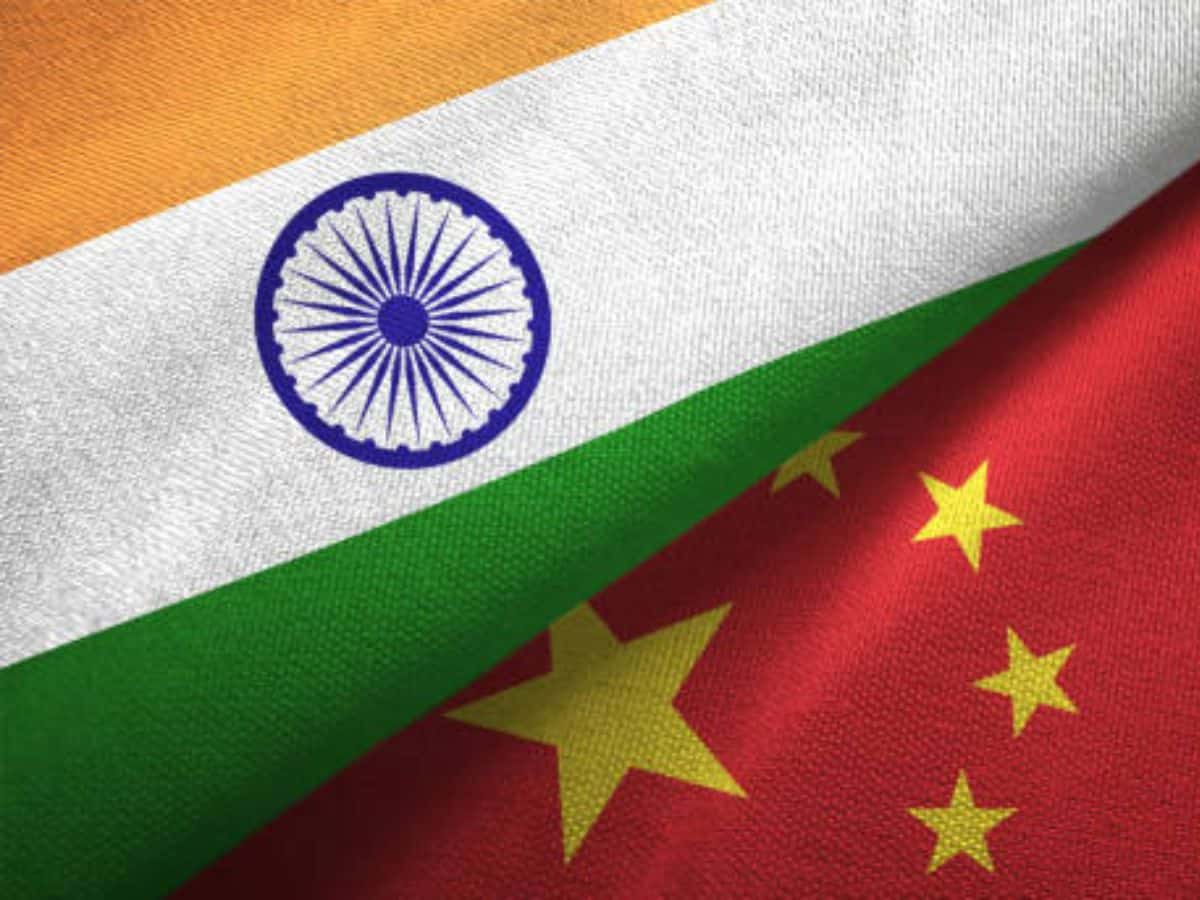
India and China have maintained a stable but tense military posture along their disputed Himalayan border since reaching a patrolling agreement in October 2024 that resolved remaining standoffs from the 2020 Galwan clashes. Both sides completed phased disengagement at key points along the Line of Actual Control, allowing resumed patrols while preserving territorial claims. No verified military encounters involving force have occurred in recent years, and diplomatic channels through military commanders and foreign ministers have continued to manage incidents. Traders price low probabilities for a clash by year-end amid this managed coexistence, fortified positions on both sides, and focus on economic ties, though risks persist from infrastructure buildups, occasional naming disputes in Arunachal Pradesh, and broader geopolitical frictions. Scheduled bilateral meetings or any reported troop movements could influence near-term sentiment.
Resumen experimental generado por IA con datos de Polymarket. Esto no es asesoramiento de trading y no influye en cómo se resuelve este mercado. · Actualizado$296,678 Vol.
31 de diciembre de 2026
10%
$296,678 Vol.
31 de diciembre de 2026
10%
A "military encounter" is defined as any incident involving the use of force such as missile strikes, artillery fire, exchange of gunfire, or other forms of direct military engagement between Chinese and Indian military forces. Hand-to-hand combat with the use of melee weapons between military personnel, will qualify. For example the 2020 Galwan Valley clash and the 2022 Yangtse clash would both count.
Non-violent actions, such as warning shots, artillery fire into uninhabited areas, or missile launches that land in territorial waters or pass through airspace, will not qualify for a "Yes" resolution. Intentional ship ramming that results in significant damage to (e.g., a hole in the hull) or the sinking of a military ship by another will count toward a "Yes" resolution, however minor damage (scrapes, dents) will not.
Note: the China Coast Guard (CCG) is part of the military, however the Indian Coast Guard (ICG) is not.
The resolution source for this market will be a consensus of credible reporting.
Mercado abierto: Nov 13, 2025, 5:52 PM ET
Resolver
0x65070BE91...A "military encounter" is defined as any incident involving the use of force such as missile strikes, artillery fire, exchange of gunfire, or other forms of direct military engagement between Chinese and Indian military forces. Hand-to-hand combat with the use of melee weapons between military personnel, will qualify. For example the 2020 Galwan Valley clash and the 2022 Yangtse clash would both count.
Non-violent actions, such as warning shots, artillery fire into uninhabited areas, or missile launches that land in territorial waters or pass through airspace, will not qualify for a "Yes" resolution. Intentional ship ramming that results in significant damage to (e.g., a hole in the hull) or the sinking of a military ship by another will count toward a "Yes" resolution, however minor damage (scrapes, dents) will not.
Note: the China Coast Guard (CCG) is part of the military, however the Indian Coast Guard (ICG) is not.
The resolution source for this market will be a consensus of credible reporting.
Resolver
0x65070BE91...India and China have maintained a stable but tense military posture along their disputed Himalayan border since reaching a patrolling agreement in October 2024 that resolved remaining standoffs from the 2020 Galwan clashes. Both sides completed phased disengagement at key points along the Line of Actual Control, allowing resumed patrols while preserving territorial claims. No verified military encounters involving force have occurred in recent years, and diplomatic channels through military commanders and foreign ministers have continued to manage incidents. Traders price low probabilities for a clash by year-end amid this managed coexistence, fortified positions on both sides, and focus on economic ties, though risks persist from infrastructure buildups, occasional naming disputes in Arunachal Pradesh, and broader geopolitical frictions. Scheduled bilateral meetings or any reported troop movements could influence near-term sentiment.
Resumen experimental generado por IA con datos de Polymarket. Esto no es asesoramiento de trading y no influye en cómo se resuelve este mercado. · Actualizado
Cuidado con los enlaces externos.
Cuidado con los enlaces externos.
Preguntas frecuentes