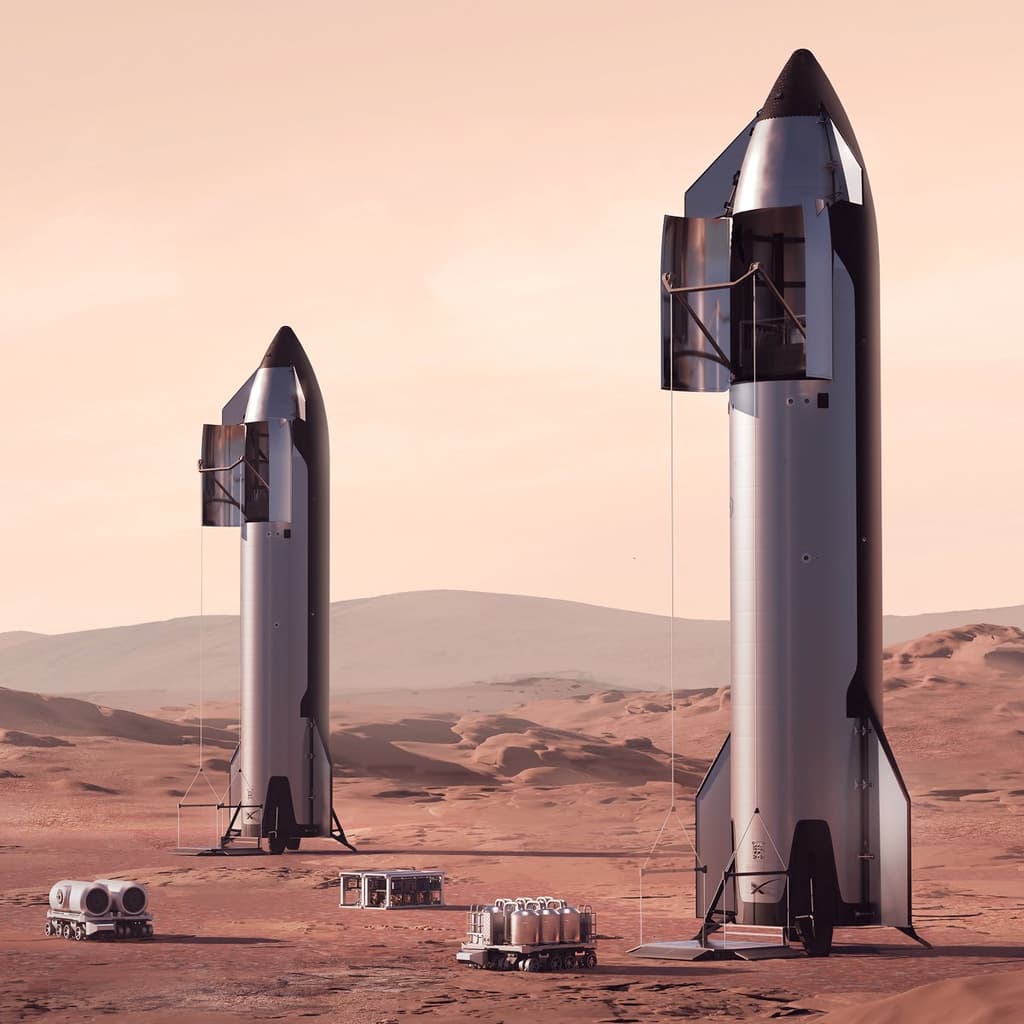
SpaceX has incorporated dedicated docking ports and propellant transfer hardware on recent Starship test vehicles, positioning the company to attempt its first orbital rendezvous and refueling demonstration between two Starships in 2026. This capability remains central to Artemis lunar lander plans and future Mars missions, with Block 3 vehicles now featuring the necessary drogues and quick-disconnect systems. No such docking has occurred yet, and timelines depend on successful completion of ongoing flight tests plus regulatory approvals for complex orbital operations. Traders are tracking upcoming Starship launches and any updates from SpaceX on tanker configurations or propellant transfer milestones that could accelerate or delay the first demonstration.
Experimental AI-generated summary referencing Polymarket data. This is not trading advice and plays no role in how this market resolves. · UpdatedDecember 31, 2026?
37%
December 31, 2027?
43%
$0.00 Vol.
December 31, 2026?
37%
December 31, 2027?
43%
A qualifying docking maneuver must physically join two vessels, matching in velocity, into a connected structure via mating hardware for at least 60 continuous seconds. The two vessels must be in stable Earth orbit with a perigee of at least 100 kilometers above the Earth’s surface.
The docking of any two SpaceX vessels which each serve as an integrated rocket-and-spacecraft and both equal or exceed Starship in scale will qualify regardless of their contents or variant (standard, tanker, depot, HLS, test article, etc.). The two vessels must be free-flying. Any capsule or payload carried to orbit exclusively atop a separate launch vehicle will not qualify. If either vessel is passively placed into the mating interface of the other vessel, that conjunction will not qualify.
The resolution source for this market will be a consensus of credible reporting.
Market Opened: Jun 11, 2026, 1:09 PM ET
Resolver
0x65070BE91...A qualifying docking maneuver must physically join two vessels, matching in velocity, into a connected structure via mating hardware for at least 60 continuous seconds. The two vessels must be in stable Earth orbit with a perigee of at least 100 kilometers above the Earth’s surface.
The docking of any two SpaceX vessels which each serve as an integrated rocket-and-spacecraft and both equal or exceed Starship in scale will qualify regardless of their contents or variant (standard, tanker, depot, HLS, test article, etc.). The two vessels must be free-flying. Any capsule or payload carried to orbit exclusively atop a separate launch vehicle will not qualify. If either vessel is passively placed into the mating interface of the other vessel, that conjunction will not qualify.
The resolution source for this market will be a consensus of credible reporting.
Resolver
0x65070BE91...SpaceX has incorporated dedicated docking ports and propellant transfer hardware on recent Starship test vehicles, positioning the company to attempt its first orbital rendezvous and refueling demonstration between two Starships in 2026. This capability remains central to Artemis lunar lander plans and future Mars missions, with Block 3 vehicles now featuring the necessary drogues and quick-disconnect systems. No such docking has occurred yet, and timelines depend on successful completion of ongoing flight tests plus regulatory approvals for complex orbital operations. Traders are tracking upcoming Starship launches and any updates from SpaceX on tanker configurations or propellant transfer milestones that could accelerate or delay the first demonstration.
Experimental AI-generated summary referencing Polymarket data. This is not trading advice and plays no role in how this market resolves. · Updated

Beware of external links.
Beware of external links.
Frequently Asked Questions