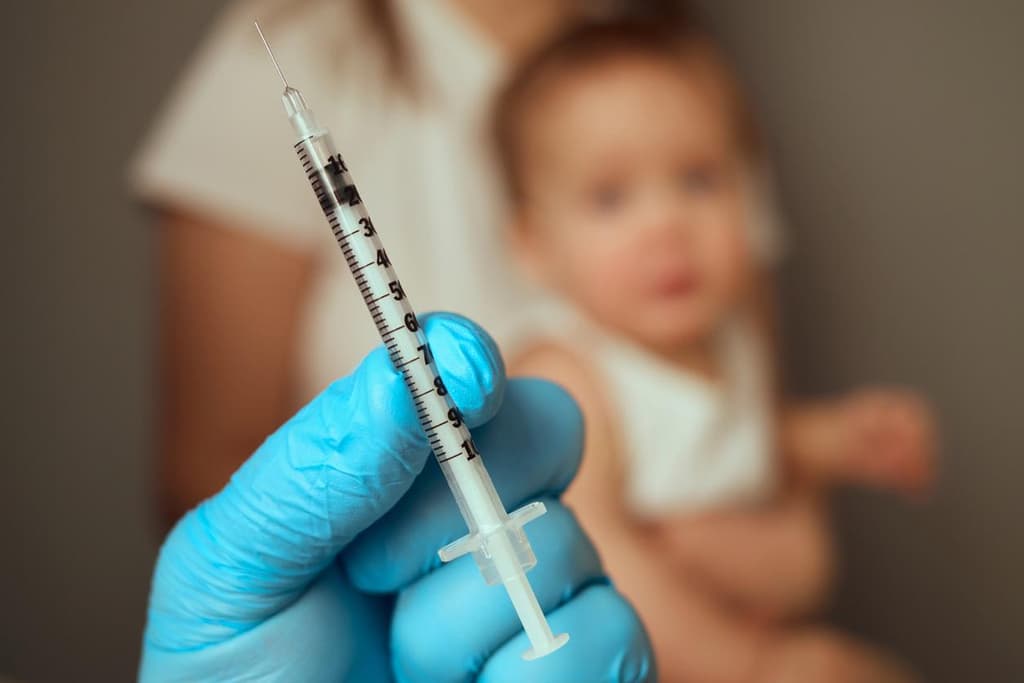
Vaccine candidates for hantavirus remain largely in preclinical stages or early Phase 1/2 trials as of mid-2026, with DNA platforms showing neutralizing antibodies in small human studies yet requiring multiple doses and further efficacy data. Recent 2026 outbreak interest has spurred mRNA and viral-vector efforts, including collaborations exploring stabilized glycoproteins, but regulatory approval pathways and limited commercial incentives for this sporadic rodent-borne disease make widespread availability by year-end improbable. Historical precedents indicate 5–10 years for full licensure without emergency acceleration. A sudden large-scale funding initiative or breakthrough Phase 3 results could narrow the timeline, though current model consensus and trial schedules point strongly against it.
Experimental AI-generated summary referencing Polymarket data. This is not trading advice and plays no role in how this market resolves. · UpdatedHantavirus vaccine in 2026?
Hantavirus vaccine in 2026?
$120,378 Vol.
$120,378 Vol.
$120,378 Vol.
$120,378 Vol.
The primary resolution source for this market will be official information from the FDA, including its list of approved vaccines (https://www.fda.gov/vaccines-blood-biologics/vaccines/vaccines-licensed-use-united-states), however a consensus of credible reporting may also be used.
Market Opened: May 4, 2026, 10:39 AM ET
Resolver
0x65070BE91...The primary resolution source for this market will be official information from the FDA, including its list of approved vaccines (https://www.fda.gov/vaccines-blood-biologics/vaccines/vaccines-licensed-use-united-states), however a consensus of credible reporting may also be used.
Resolver
0x65070BE91...Vaccine candidates for hantavirus remain largely in preclinical stages or early Phase 1/2 trials as of mid-2026, with DNA platforms showing neutralizing antibodies in small human studies yet requiring multiple doses and further efficacy data. Recent 2026 outbreak interest has spurred mRNA and viral-vector efforts, including collaborations exploring stabilized glycoproteins, but regulatory approval pathways and limited commercial incentives for this sporadic rodent-borne disease make widespread availability by year-end improbable. Historical precedents indicate 5–10 years for full licensure without emergency acceleration. A sudden large-scale funding initiative or breakthrough Phase 3 results could narrow the timeline, though current model consensus and trial schedules point strongly against it.
Experimental AI-generated summary referencing Polymarket data. This is not trading advice and plays no role in how this market resolves. · Updated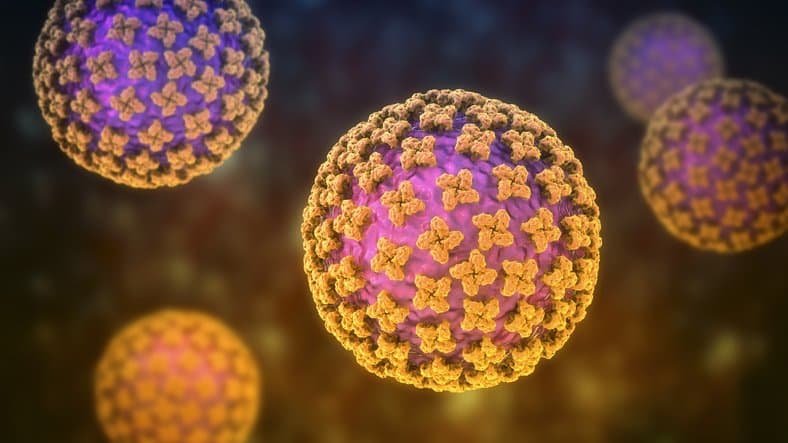

Beware of external links.
Beware of external links.
Frequently Asked Questions