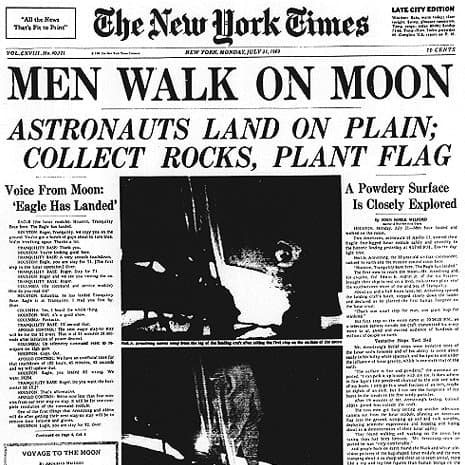
What will the NYT front-page headlines say this week? (May 4 - May 10)
What will the NYT front-page headlines say this week? (May 4 - May 10)
NUEVO
10 may 2026
JD / Vance
62%
MAGA
47%
Secret
45%
Oil
52%
Street
46%
Crypto / Bitcoin
38%
Prediction
32%
Epstein
44%
Court
47%
Congress
45%
UFO / Alien
54%
Tariff
44%
China
51%
Polymarket
28%
AI / Intelligence
49%
Center
45%
Pentagon
54%
Iran
78%
Beijing
45%
Vance
60%
Ballroom
43%
California
50%
Russia
44%
Gunman
34%
Fed
45%
Gay
16%
$89 Vol.
JD / Vance
$0 Vol.
62%
MAGA
$0 Vol.
47%
Secret
$0 Vol.
45%
Oil
$16 Vol.
52%
Street
$0 Vol.
46%
Crypto / Bitcoin
$0 Vol.
38%
Prediction
$0 Vol.
32%
Epstein
$0 Vol.
44%
Court
$0 Vol.
47%
Congress
$0 Vol.
45%
UFO / Alien
$0 Vol.
54%
Tariff
$0 Vol.
44%
China
$0 Vol.
51%
Polymarket
$0 Vol.
28%
AI / Intelligence
$6 Vol.
49%
Center
$0 Vol.
45%
Pentagon
$0 Vol.
54%
Iran
$67 Vol.
78%
Beijing
$0 Vol.
45%
Vance
$0 Vol.
60%
Ballroom
$0 Vol.
43%
California
$0 Vol.
50%
Russia
$0 Vol.
44%
Gunman
$0 Vol.
34%
Fed
$0 Vol.
45%
Gay
$0 Vol.
16%
This market will resolve to “Yes” if the listed term is included in a headline on the New York Times front page between May 4 and May 10, 2026. Otherwise, this market will resolve to “No”.
A headline is defined as the bolded or enlarged text directly preceding each article, previewing the article’s content and typically separated from the article’s text by a black line and byline. The primary headline for each story is the headline for that story with the largest text, typically appearing in bold font and above any other headlines or text for that article.
Sub-headlines, defined as additional bolded or enlarged text not separated from the primary headline by any text, will count, whether they appear before the byline or are partially surrounded by the article text but still adjacent to the primary headline. Pull quotes, however, or any bolded text not adjacent to the primary headline, will not count.
Banner headlines, defined as front-page headlines bordered on the sides only by white space, will count.
Image captions, article text, or any other text that does not constitute a headline, will not qualify.
Any plural or possessive forms of a listed term, as well as variations in capitalization, will count toward the resolution of this market, regardless of context. Other forms of the listed term will not count.
Misspellings or iterations of the listed term, including all slang forms, will not count toward a “Yes” resolution, regardless of context or intent.
If the listed term appears as part of a compound word, usage of that compound word qualifies, provided the listed term remains a distinct component of the compound. This does not include suffixes, prefixes, alternative tenses, or grammatical variations that alter the root word. (E.g. if the listed term is joy, killjoy qualifies but joyful does not. E.g. if the listed term is sun, sunflower qualifies but sunny does not.)
If the listed term is part of a hyphenated compound, usage of that hyphenated compound qualifies. (E.g. if the listed term is NATO, pro-NATO and anti-NATO qualify.)
The resolution source for this market will be the New York Times daily newspaper, including images of the front page posted daily at: https://nytimes.pressreader.com/the-new-york-times/
This market will resolve to “Yes” if the listed term is included in a headline on the New York Times front page between May 4 and May 10, 2026. Otherwise, this market will resolve to “No”.
A headline is defined as the bolded or enlarged text directly preceding each article, previewing the article’s content and typically separated from the article’s text by a black line and byline. The primary headline for each story is the headline for that story with the largest text, typically appearing in bold font and above any other headlines or text for that article.
Sub-headlines, defined as additional bolded or enlarged text not separated from the primary headline by any text, will count, whether they appear before the byline or are partially surrounded by the article text but still adjacent to the primary headline. Pull quotes, however, or any bolded text not adjacent to the primary headline, will not count.
Banner headlines, defined as front-page headlines bordered on the sides only by white space, will count.
Image captions, article text, or any other text that does not constitute a headline, will not qualify.
Any plural or possessive forms of a listed term, as well as variations in capitalization, will count toward the resolution of this market, regardless of context. Other forms of the listed term will not count.
Misspellings or iterations of the listed term, including all slang forms, will not count toward a “Yes” resolution, regardless of context or intent.
If the listed term appears as part of a compound word, usage of that compound word qualifies, provided the listed term remains a distinct component of the compound. This does not include suffixes, prefixes, alternative tenses, or grammatical variations that alter the root word. (E.g. if the listed term is joy, killjoy qualifies but joyful does not. E.g. if the listed term is sun, sunflower qualifies but sunny does not.)
If the listed term is part of a hyphenated compound, usage of that hyphenated compound qualifies. (E.g. if the listed term is NATO, pro-NATO and anti-NATO qualify.)
The resolution source for this market will be the New York Times daily newspaper, including images of the front page posted daily at: https://nytimes.pressreader.com/the-new-york-times/
A headline is defined as the bolded or enlarged text directly preceding each article, previewing the article’s content and typically separated from the article’s text by a black line and byline. The primary headline for each story is the headline for that story with the largest text, typically appearing in bold font and above any other headlines or text for that article.
Sub-headlines, defined as additional bolded or enlarged text not separated from the primary headline by any text, will count, whether they appear before the byline or are partially surrounded by the article text but still adjacent to the primary headline. Pull quotes, however, or any bolded text not adjacent to the primary headline, will not count.
Banner headlines, defined as front-page headlines bordered on the sides only by white space, will count.
Image captions, article text, or any other text that does not constitute a headline, will not qualify.
Any plural or possessive forms of a listed term, as well as variations in capitalization, will count toward the resolution of this market, regardless of context. Other forms of the listed term will not count.
Misspellings or iterations of the listed term, including all slang forms, will not count toward a “Yes” resolution, regardless of context or intent.
If the listed term appears as part of a compound word, usage of that compound word qualifies, provided the listed term remains a distinct component of the compound. This does not include suffixes, prefixes, alternative tenses, or grammatical variations that alter the root word. (E.g. if the listed term is joy, killjoy qualifies but joyful does not. E.g. if the listed term is sun, sunflower qualifies but sunny does not.)
If the listed term is part of a hyphenated compound, usage of that hyphenated compound qualifies. (E.g. if the listed term is NATO, pro-NATO and anti-NATO qualify.)
The resolution source for this market will be the New York Times daily newspaper, including images of the front page posted daily at: https://nytimes.pressreader.com/the-new-york-times/
Mercado abierto: May 1, 2026, 5:49 PM ET
Volumen
$89Fecha de finalización
10 may 2026Mercado abierto
May 1, 2026, 5:49 PM ETResolver
0x65070BE91...This market will resolve to “Yes” if the listed term is included in a headline on the New York Times front page between May 4 and May 10, 2026. Otherwise, this market will resolve to “No”.
A headline is defined as the bolded or enlarged text directly preceding each article, previewing the article’s content and typically separated from the article’s text by a black line and byline. The primary headline for each story is the headline for that story with the largest text, typically appearing in bold font and above any other headlines or text for that article.
Sub-headlines, defined as additional bolded or enlarged text not separated from the primary headline by any text, will count, whether they appear before the byline or are partially surrounded by the article text but still adjacent to the primary headline. Pull quotes, however, or any bolded text not adjacent to the primary headline, will not count.
Banner headlines, defined as front-page headlines bordered on the sides only by white space, will count.
Image captions, article text, or any other text that does not constitute a headline, will not qualify.
Any plural or possessive forms of a listed term, as well as variations in capitalization, will count toward the resolution of this market, regardless of context. Other forms of the listed term will not count.
Misspellings or iterations of the listed term, including all slang forms, will not count toward a “Yes” resolution, regardless of context or intent.
If the listed term appears as part of a compound word, usage of that compound word qualifies, provided the listed term remains a distinct component of the compound. This does not include suffixes, prefixes, alternative tenses, or grammatical variations that alter the root word. (E.g. if the listed term is joy, killjoy qualifies but joyful does not. E.g. if the listed term is sun, sunflower qualifies but sunny does not.)
If the listed term is part of a hyphenated compound, usage of that hyphenated compound qualifies. (E.g. if the listed term is NATO, pro-NATO and anti-NATO qualify.)
The resolution source for this market will be the New York Times daily newspaper, including images of the front page posted daily at: https://nytimes.pressreader.com/the-new-york-times/
This market will resolve to “Yes” if the listed term is included in a headline on the New York Times front page between May 4 and May 10, 2026. Otherwise, this market will resolve to “No”.
A headline is defined as the bolded or enlarged text directly preceding each article, previewing the article’s content and typically separated from the article’s text by a black line and byline. The primary headline for each story is the headline for that story with the largest text, typically appearing in bold font and above any other headlines or text for that article.
Sub-headlines, defined as additional bolded or enlarged text not separated from the primary headline by any text, will count, whether they appear before the byline or are partially surrounded by the article text but still adjacent to the primary headline. Pull quotes, however, or any bolded text not adjacent to the primary headline, will not count.
Banner headlines, defined as front-page headlines bordered on the sides only by white space, will count.
Image captions, article text, or any other text that does not constitute a headline, will not qualify.
Any plural or possessive forms of a listed term, as well as variations in capitalization, will count toward the resolution of this market, regardless of context. Other forms of the listed term will not count.
Misspellings or iterations of the listed term, including all slang forms, will not count toward a “Yes” resolution, regardless of context or intent.
If the listed term appears as part of a compound word, usage of that compound word qualifies, provided the listed term remains a distinct component of the compound. This does not include suffixes, prefixes, alternative tenses, or grammatical variations that alter the root word. (E.g. if the listed term is joy, killjoy qualifies but joyful does not. E.g. if the listed term is sun, sunflower qualifies but sunny does not.)
If the listed term is part of a hyphenated compound, usage of that hyphenated compound qualifies. (E.g. if the listed term is NATO, pro-NATO and anti-NATO qualify.)
The resolution source for this market will be the New York Times daily newspaper, including images of the front page posted daily at: https://nytimes.pressreader.com/the-new-york-times/
A headline is defined as the bolded or enlarged text directly preceding each article, previewing the article’s content and typically separated from the article’s text by a black line and byline. The primary headline for each story is the headline for that story with the largest text, typically appearing in bold font and above any other headlines or text for that article.
Sub-headlines, defined as additional bolded or enlarged text not separated from the primary headline by any text, will count, whether they appear before the byline or are partially surrounded by the article text but still adjacent to the primary headline. Pull quotes, however, or any bolded text not adjacent to the primary headline, will not count.
Banner headlines, defined as front-page headlines bordered on the sides only by white space, will count.
Image captions, article text, or any other text that does not constitute a headline, will not qualify.
Any plural or possessive forms of a listed term, as well as variations in capitalization, will count toward the resolution of this market, regardless of context. Other forms of the listed term will not count.
Misspellings or iterations of the listed term, including all slang forms, will not count toward a “Yes” resolution, regardless of context or intent.
If the listed term appears as part of a compound word, usage of that compound word qualifies, provided the listed term remains a distinct component of the compound. This does not include suffixes, prefixes, alternative tenses, or grammatical variations that alter the root word. (E.g. if the listed term is joy, killjoy qualifies but joyful does not. E.g. if the listed term is sun, sunflower qualifies but sunny does not.)
If the listed term is part of a hyphenated compound, usage of that hyphenated compound qualifies. (E.g. if the listed term is NATO, pro-NATO and anti-NATO qualify.)
The resolution source for this market will be the New York Times daily newspaper, including images of the front page posted daily at: https://nytimes.pressreader.com/the-new-york-times/
Volumen
$89Fecha de finalización
10 may 2026Mercado abierto
May 1, 2026, 5:49 PM ETResolver
0x65070BE91...
Cuidado con los enlaces externos.
Cuidado con los enlaces externos.
Preguntas frecuentes